Welcome to the website of Hebei Shengyi Plastic Technology Co., Ltd.


Why Composite Sealing Strips Are Essential for Chemical Applications
Release time:
2026-03-09
Why Composite Sealing Strips Are Essential for Chemical Applications Introduction to Composite Sealing Strips Composite sealing strips play a pivotal role in various industrial applications, particularly in the chemical sector. These specialized seals provide essential protection against leakage and contamination, ensuring operational efficiency and safety. Understanding their composition, pro
Why Composite Sealing Strips Are Essential for Chemical Applications
Introduction to Composite Sealing Strips
Composite sealing strips play a pivotal role in various industrial applications, particularly in the chemical sector. These specialized seals provide essential protection against leakage and contamination, ensuring operational efficiency and safety. Understanding their composition, properties, and applications is vital for any organization involved in chemical engineering, manufacturing, or processing.
The Composition of Composite Sealing Strips
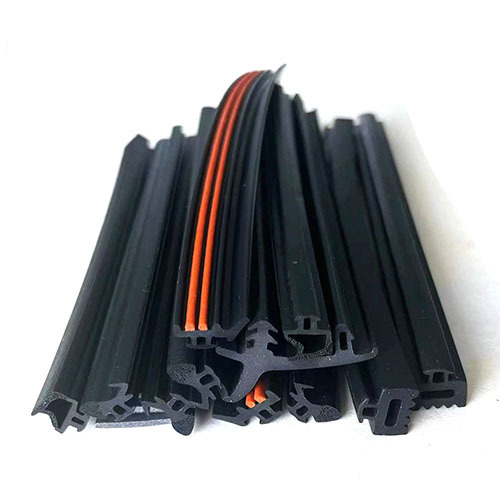
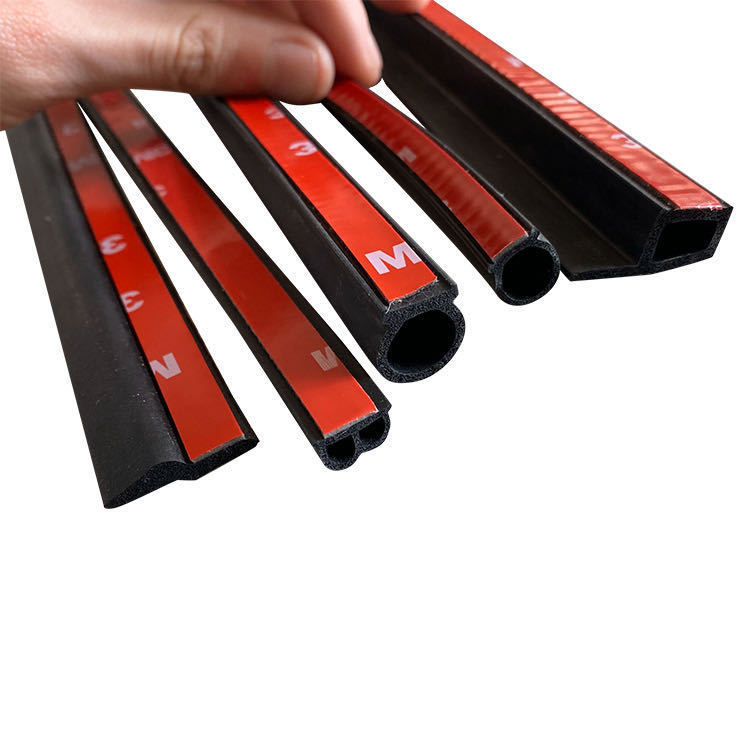
Composite sealing strips are engineered from a combination of materials designed to withstand harsh chemical environments. Typically, they consist of elastomers, thermoplastics, and fillers that enhance their performance characteristics.
Materials Used in Composite Sealing Strips
1. **Elastomers**: These flexible materials provide excellent compression and recovery properties, making them ideal for sealing applications. Common elastomers include nitrile rubber, fluorocarbon (FKM), and silicone.
2. **Thermoplastics**: Including materials like Polyethylene (PE) and Polyvinyl Chloride (PVC), thermoplastics are used for their chemical resistance and durability.
3. **Fillers**: Fillers such as carbon black and silica are often added to improve strength, reduce cost, and enhance the thermal and chemical stability of the sealing strips.
Benefits of Choosing Composite Materials
Composite materials offer superior performance over traditional sealing materials. Their unique combination of flexibility, strength, and resistance to chemicals makes them ideal for various industrial applications.
Importance of Chemical Resistance in Sealing Applications
The chemical industry often deals with aggressive substances that can degrade traditional sealing materials. Therefore, selecting sealing solutions that withstand specific chemicals is critical.
How Chemical Resistance Affects Performance
Using seals that can resist chemical attack not only prolongs their lifespan but also prevents leaks that could lead to catastrophic failures or safety hazards. The integrity of the sealing system directly impacts operational costs and environmental compliance.
Applications of Composite Sealing Strips in the Chemical Industry
Composite sealing strips are widely used across various segments of the chemical industry. Their flexibility and durability make them suitable for a range of applications.
Pipelines and Storage Tanks
In pipeline systems and storage tanks, composite sealing strips form a barrier against leaks and spills. This is essential for maintaining safety standards and minimizing environmental impact.
Valves and Fittings
Composite sealing strips ensure tight seals in valves and fittings, preventing leaks during operation. They provide consistent performance, even under fluctuating temperatures and pressures.
Mixing and Processing Equipment
Equipment used in mixing and processing chemicals often requires reliable sealing solutions. Composite sealing strips can withstand the mechanical stresses and chemical interactions present in these applications.
Advantages of Composite Sealing Strips in Chemical Applications
Understanding the advantages of composite sealing strips can help organizations make informed decisions about their sealing solutions.
Enhanced Durability
The resilience of composite materials gives them a longer lifespan compared to traditional sealing options. This durability translates into lower maintenance costs and reduced downtime.
Superior Sealing Performance
Composite sealing strips are designed to maintain their integrity under various conditions, providing a reliable seal that prevents leaks and contamination.
Versatility in Application
These sealing strips can be customized to meet the specific requirements of different chemical applications, making them a versatile choice for many industries.
Choosing the Right Composite Sealing Strip for Your Application
When selecting composite sealing strips, various factors must be considered to ensure optimal performance.
Consider the Chemical Compatibility
Understanding the specific chemicals that the sealing strip will encounter is crucial. Different materials offer varying degrees of resistance to different substances, so knowing the compatibility is essential.
Assessing Temperature and Pressure Conditions
The operational environment for the sealing strip must be evaluated. Factors such as temperature, pressure, and mechanical stresses will impact the performance and lifespan of the seal.
Understanding Regulatory Compliance
In many industries, compliance with safety and environmental regulations is mandatory. Selecting sealing materials that meet industry standards is not just a best practice; it's often a legal requirement.
FAQs About Composite Sealing Strips in Chemical Applications
What are composite sealing strips?
Composite sealing strips are specialized seals made from a combination of elastomers, thermoplastics, and fillers designed to provide superior chemical resistance and durability.
Why are composite sealing strips preferred in the chemical industry?
They are preferred due to their enhanced durability, superior sealing performance, and versatility, making them suitable for harsh chemical environments.
How do I choose the right composite sealing strip for my application?
To choose the right strip, assess the chemical compatibility, operational temperature and pressure conditions, and ensure compliance with relevant regulations.
Can composite sealing strips be customized for specific applications?
Yes, composite sealing strips can be tailored to meet the specific requirements of different chemical applications, ensuring optimal performance.
What maintenance is required for composite sealing strips?
Regular inspection and monitoring for signs of wear or degradation are recommended. However, their durability often leads to lower maintenance needs compared to traditional seals.
Conclusion
Composite sealing strips are essential components in the chemical industry, offering unparalleled resistance to harsh environments and ensuring operational safety. By understanding their composition, benefits, and applications, organizations can make informed choices that enhance performance and reduce costs. Investing in high-quality composite sealing solutions is not just about compliance; it is about safeguarding your operations and contributing to a sustainable future.
Keywords:
Previous Page
More information


Hebei Shengyi Plastic Technology Co., Ltd.
The company specializes in producing various materials such as composite extrusion, monomer extrusion, rubber plastic product docking molding, injection molded parts, molded parts, EPDM rubber sealing strips, foam rubber strips, PVC sealing strips, high-temperature resistant silicone strips, and various door and window sealing strips.