Welcome to the website of Hebei Shengyi Plastic Technology Co., Ltd.


The Benefits of Using Waterproof Sealing Strips for Home Improvement
Release time:
2026-03-07
The Benefits of Using Waterproof Sealing Strips for Home Improvement Introduction to Waterproof Sealing Strips Waterproof sealing strips are an essential component in home improvement that often goes unnoticed but plays a crucial role in maintaining the integrity and comfort of our living spaces. These strips serve multiple purposes, from enhancing energy efficiency to protecting against moisture
The Benefits of Using Waterproof Sealing Strips for Home Improvement
Introduction to Waterproof Sealing Strips
Waterproof sealing strips are an essential component in home improvement that often goes unnoticed but plays a crucial role in maintaining the integrity and comfort of our living spaces. These strips serve multiple purposes, from enhancing energy efficiency to protecting against moisture damage. As homeowners, we continually seek ways to improve our homes, and incorporating these innovative products can lead to significant long-term benefits.
What are Waterproof Sealing Strips?
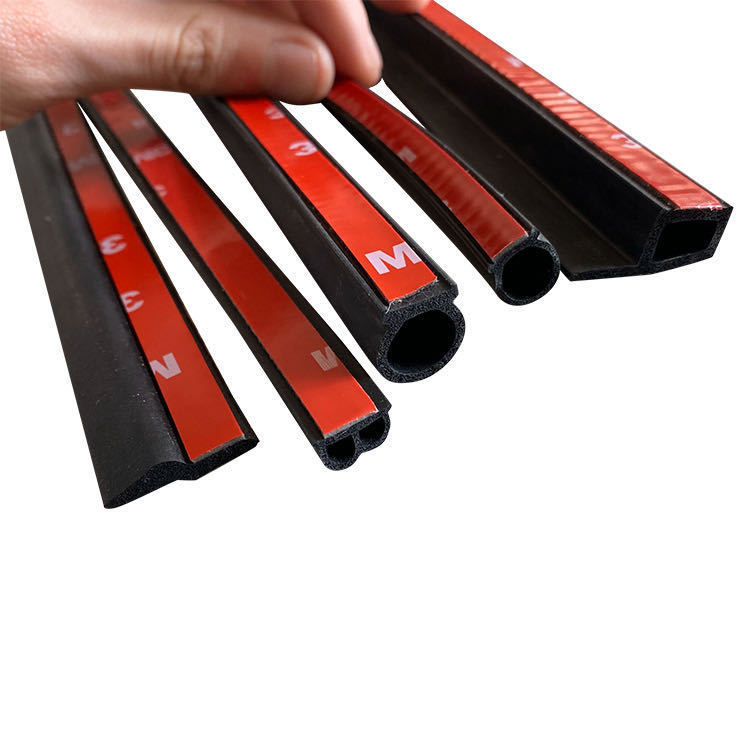
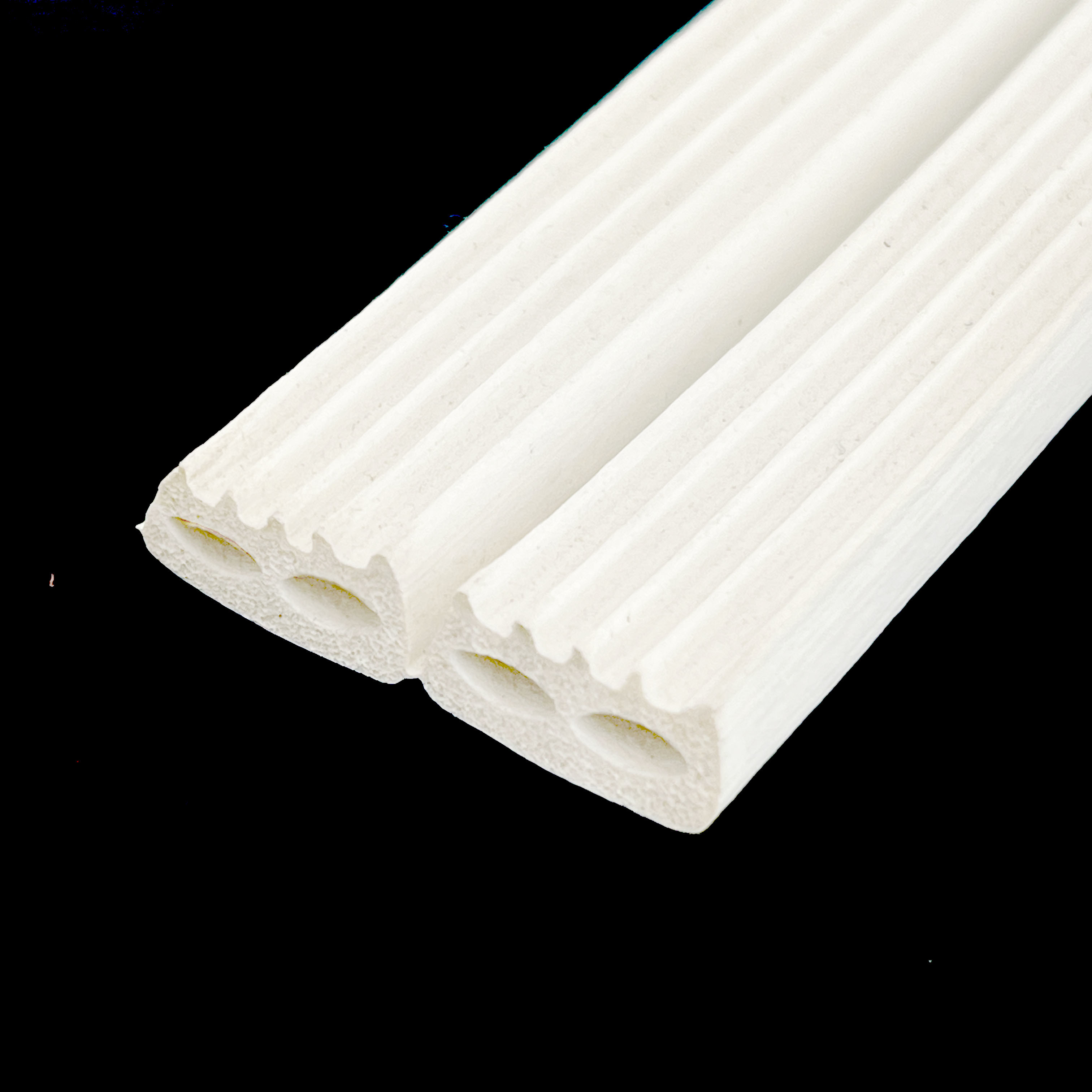
Waterproof sealing strips are typically made from materials such as rubber, silicone, or foam. These strips create a barrier that prevents water, air, and dust from entering or escaping through gaps and cracks in doors, windows, and other structural elements. They are designed to be flexible and durable, adapting to various surfaces and conditions while providing a secure seal.
Types of Waterproof Sealing Strips
Understanding the different types of waterproof sealing strips can help homeowners select the best option for their needs. Here are the most common types:
1. Adhesive Foam Strips
Adhesive foam strips are easy to install and provide excellent insulation. They are ideal for sealing gaps around windows and doors, preventing drafts and moisture infiltration.
2. Rubber Sealing Strips
Rubber sealing strips are robust and highly durable, making them suitable for exterior applications. They offer superior resistance to weather elements, ensuring long-lasting performance.
3. Silicone Sealing Strips
Silicone sealing strips are flexible and resistant to high temperatures. These strips are perfect for areas exposed to heat or cold, such as around kitchen appliances and bathroom fixtures.
4. V-Seal Strips
V-seal strips are designed to fit into corners and are particularly useful for sealing narrow gaps. They offer a clean and discreet look while effectively preventing water and air leaks.
The Importance of Waterproof Sealing Strips in Home Improvement
Integrating waterproof sealing strips into home improvement projects is not just about aesthetics; it is about enhancing the overall functionality and sustainability of the home. Here are some key reasons why these strips are vital:
1. Enhancing Energy Efficiency
One of the primary benefits of using waterproof sealing strips is their ability to enhance energy efficiency. By sealing gaps and cracks, these strips minimize air leaks, reducing the need for excessive heating or cooling. This leads to lower energy bills and a more comfortable home environment.
2. Preventing Moisture Damage
Moisture intrusion can lead to significant damage, including mold growth, wood rot, and structural issues. Waterproof sealing strips provide a critical line of defense against water infiltration, protecting both the interior and exterior of the home.
3. Improving Indoor Air Quality
Sealing gaps with waterproof strips also improves indoor air quality. By preventing the entry of dust, allergens, and pollutants, homeowners can create a healthier living space. This is especially important for those with allergies or respiratory issues.
Applications of Waterproof Sealing Strips
Waterproof sealing strips can be used in a variety of applications throughout the home. Here are some common uses:
1. Windows
Improperly sealed windows can lead to drafts and moisture issues. Applying waterproof sealing strips around window frames can help eliminate these problems, providing better insulation and protection against the elements.
2. Doors
Exterior doors are often susceptible to air and water leaks. Installing waterproof sealing strips around doors ensures a tighter seal, improving energy efficiency while enhancing security against intruders.
3. Bathrooms
In areas prone to high humidity, such as bathrooms, waterproof sealing strips can prevent water damage around sinks, tubs, and showers. This is essential for maintaining the integrity of fixtures and preventing mold growth.
4. Kitchens
Kitchens are another area where waterproof sealing strips can be beneficial. They can be used around appliances to prevent moisture accumulation and enhance overall hygiene.
5. Basements and Crawl Spaces
Waterproof sealing strips are crucial in basements and crawl spaces, where moisture problems are common. Sealing these areas can help prevent water damage and improve air quality throughout the home.
Installation Tips for Waterproof Sealing Strips
Installing waterproof sealing strips can be a straightforward process. Here are some tips to ensure effective installation:
1. Clean the Surface
Before applying sealing strips, ensure that the surface is clean and dry. Remove any dirt, dust, or old sealant to allow for optimal adhesion.
2. Measure Accurately
Measure the length of the gap that needs sealing carefully. It’s essential to cut the sealing strips to the correct length for a snug fit.
3. Apply Even Pressure
When applying the sealing strip, press down evenly to ensure full contact with the surface. This helps create a tight seal and prevents future water or air leaks.
4. Allow Time to Set
After installation, allow the sealing strips time to adhere properly. Follow the manufacturer’s recommendations regarding drying or curing times.
5. Regular Maintenance
Inspect and maintain sealing strips regularly to ensure they remain effective. Replace any damaged or worn strips promptly to maintain protection against moisture and air leaks.
The Long-Term Benefits of Waterproof Sealing Strips
Investing in waterproof sealing strips yields numerous long-term benefits for homeowners. Here are a few to consider:
1. Cost Savings
By improving energy efficiency and preventing moisture damage, waterproof sealing strips can lead to substantial cost savings over time. Lower utility bills and reduced maintenance costs make them a wise investment.
2. Increased Property Value
Homes that are well-sealed and protected against moisture tend to have a higher property value. Potential buyers appreciate the reduced risk of water damage and the improved energy efficiency that waterproof sealing strips provide.
3. Enhanced Comfort
A well-sealed home is a more comfortable home. By minimizing drafts and maintaining temperature consistency, waterproof sealing strips contribute to a pleasant living environment year-round.
4. Peace of Mind
Knowing that your home is protected against moisture and air leaks provides peace of mind. Homeowners can rest easy, knowing they have taken proactive steps to safeguard their property.
FAQs About Waterproof Sealing Strips
1. How long do waterproof sealing strips last?
The lifespan of waterproof sealing strips varies depending on the material and environmental conditions. Generally, high-quality strips can last for several years, with regular maintenance and inspection.
2. Can I use waterproof sealing strips outdoors?
Yes, many waterproof sealing strips are suitable for outdoor use. Look for products specifically labeled for exterior applications to ensure durability against weather conditions.
3. Are waterproof sealing strips easy to install myself?
Absolutely! Most waterproof sealing strips come with adhesive backing, making them easy to install without professional help. Just follow the installation tips for best results.
4. Can waterproof sealing strips help with noise reduction?
Yes, sealing gaps with waterproof strips can help reduce noise pollution by creating a tighter barrier, which minimizes sound transmission from outside.
5. What should I do if my waterproof sealing strips start to peel off?
If your sealing strips begin to peel, clean the surface thoroughly and reapply them or replace them with new strips to maintain an effective seal.
Conclusion
Waterproof sealing strips are an invaluable addition to any home improvement project. From enhancing energy efficiency to preventing moisture damage, these versatile products provide a multitude of benefits that contribute to a healthier and more comfortable living environment. By understanding their applications, installation methods, and long-term advantages, homeowners can make informed decisions that not only protect their investments but also improve their overall quality of life. Embrace the power of waterproof sealing strips and take your home improvement efforts to the next level.
Keywords:
Previous Page
More information


Hebei Shengyi Plastic Technology Co., Ltd.
The company specializes in producing various materials such as composite extrusion, monomer extrusion, rubber plastic product docking molding, injection molded parts, molded parts, EPDM rubber sealing strips, foam rubber strips, PVC sealing strips, high-temperature resistant silicone strips, and various door and window sealing strips.