Welcome to the website of Hebei Shengyi Plastic Technology Co., Ltd.


How to Improve Energy Efficiency with Quality Door and Window Seals
Release time:
2026-03-05
How to Improve Energy Efficiency with Quality Door and Window Seals Introduction to Energy Efficiency in Homes In today's world, energy efficiency has become a crucial aspect of home ownership. Homeowners are increasingly seeking ways to reduce their energy consumption, leading to lower utility bills and a smaller environmental footprint. One of the most effective yet often overlooked strategies t
How to Improve Energy Efficiency with Quality Door and Window Seals
Introduction to Energy Efficiency in Homes
In today's world, energy efficiency has become a crucial aspect of home ownership. Homeowners are increasingly seeking ways to reduce their energy consumption, leading to lower utility bills and a smaller environmental footprint. One of the most effective yet often overlooked strategies to enhance energy efficiency is through the use of quality door and window seals. In this article, we will explore how these seals work, their importance in energy conservation, and practical tips for choosing and maintaining them.
The Importance of Quality Door and Window Seals
Quality seals around doors and windows play a vital role in maintaining the energy efficiency of your home. They act as barriers against air leaks, preventing conditioned air from escaping and unconditioned air from entering. This not only keeps your home comfortable year-round but also reduces the strain on your heating and cooling systems.
Understanding Air Leakage
Air leakage occurs when outside air infiltrates your home through gaps and cracks around doors and windows. This can lead to significant energy loss and increased heating and cooling costs. According to the U.S. Department of Energy, air leaks can account for up to 30% of a home's energy use.
How Quality Seals Prevent Energy Loss
High-quality seals are designed to fit snugly around the edges of doors and windows, creating a tight barrier against air leaks. This ensures that your HVAC system operates more efficiently, leading to lower energy consumption. Proper sealing can also help maintain a consistent indoor temperature, enhancing comfort and reducing energy bills.
Types of Seals for Doors and Windows
When it comes to improving energy efficiency, not all seals are created equal. Understanding the various types of seals available can help homeowners make informed decisions.
Weatherstripping
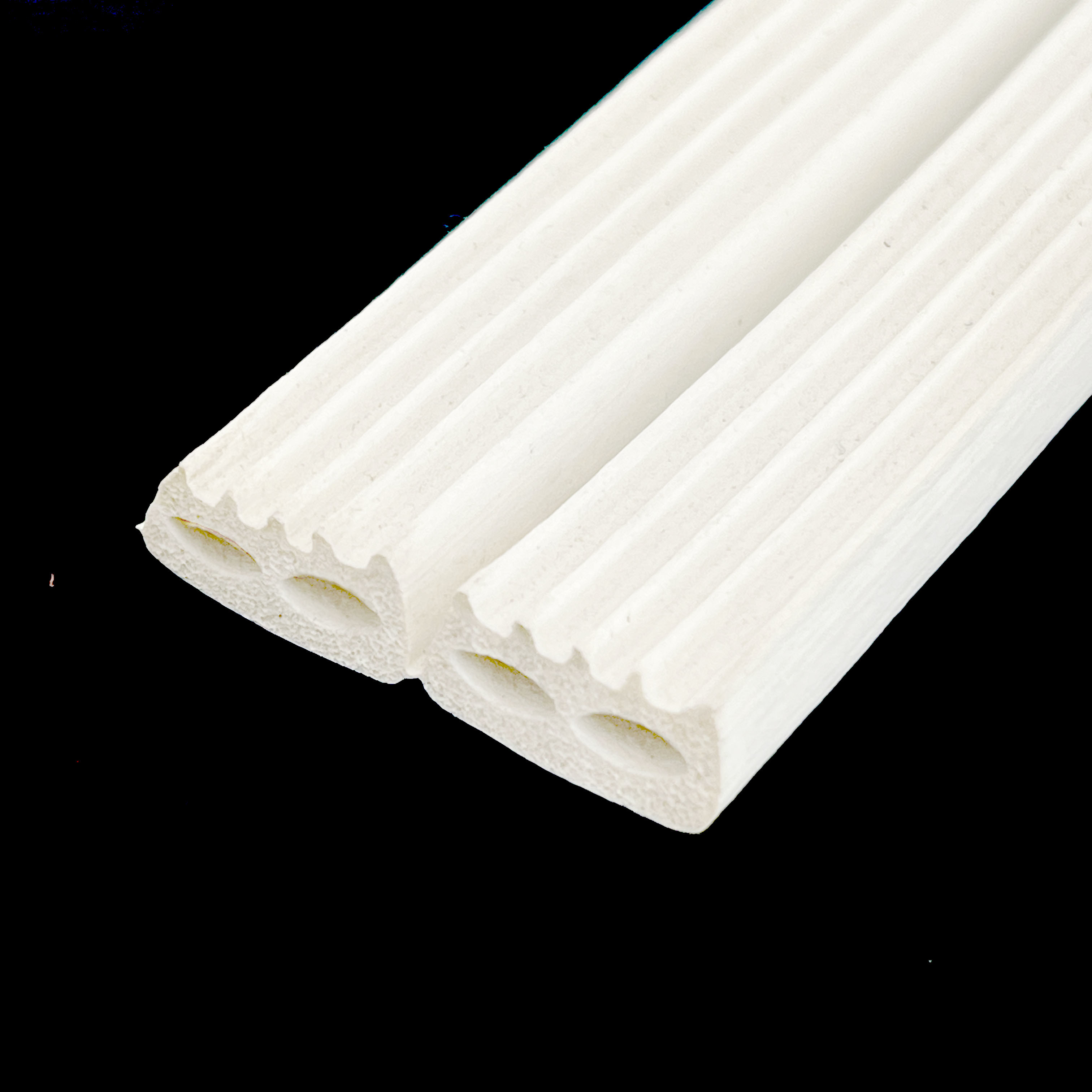
Weatherstripping is one of the most common methods for sealing doors and windows. Available in various materials, including foam, rubber, and vinyl, weatherstripping can be applied to movable parts of windows and doors. This creates a tight seal when closed, preventing drafts.
Types of Weatherstripping Materials
- **Foam Tape**: Easy to install and ideal for irregular gaps, foam tape is a cost-effective option for sealing windows and doors.
- **V-Seal Weatherstrip**: This flexible material is perfect for sealing the tops and sides of windows and doors.
- **Felt Weatherstrip**: While not the most durable option, felt weatherstripping is inexpensive and suitable for low-traffic areas.
Door Sweeps
Door sweeps are installed at the bottom of doors to block drafts and moisture. They typically consist of a strip of material with a bristle or rubber seal that presses against the floor when the door is closed.
Choosing the Right Door Sweep
When selecting a door sweep, consider the type of flooring it will contact. For example, a door sweep designed for carpet will differ from one intended for tile or hardwood.
Window Films
Window films are another effective way to improve energy efficiency. These films can be applied directly to glass surfaces and help reduce heat transfer, blocking out UV rays and lowering cooling costs.
Benefits of Installing Quality Door and Window Seals
Investing in high-quality door and window seals offers numerous benefits beyond improved energy efficiency.
Enhanced Comfort
By preventing drafts, quality seals create a more comfortable living environment. Homeowners can enjoy consistent temperatures throughout their homes, reducing the need for constant readjustments of heating and cooling systems.
Lower Energy Bills
As mentioned earlier, air leakage can significantly impact energy consumption. By sealing gaps and cracks with quality materials, homeowners can expect reduced energy bills and better overall efficiency from their HVAC systems.
Increased Home Value
Energy efficiency is a sought-after feature for homebuyers. By investing in quality seals, homeowners not only improve their living conditions but also increase the resale value of their property.
Installation Tips for Door and Window Seals
Proper installation is crucial for the effectiveness of door and window seals. Here are some tips to ensure a successful installation process.
Assess the Current Condition
Before installing new seals, inspect the current conditions of your doors and windows. Look for visible gaps, cracks, or signs of wear and tear. This will help determine which areas require sealing.
Measure Accurately
When purchasing seals, accurate measurements are essential. Measure the length and width of the areas that need sealing to ensure a proper fit.
Follow Manufacturer Instructions
Always refer to the manufacturer's instructions when installing seals. Each product may have specific requirements for installation, and following these guidelines ensures optimal performance.
Tools and Materials Needed
To install door and window seals, you will typically need:
- A measuring tape
- A utility knife
- Adhesive (if required)
- A caulking gun (for caulking)
- Cleaning supplies
Regular Maintenance and Inspection
Once seals are installed, it's important to regularly inspect and maintain them. Check for signs of wear, such as fraying or gaps, and replace seals as necessary to ensure ongoing energy efficiency.
Frequently Asked Questions (FAQs)
1. How often should I check my door and window seals?
It's advisable to inspect your seals at least once a year, particularly before the heating and cooling seasons, to ensure they are effective.
2. Can I install door and window seals myself?
Yes, most seals can be installed by homeowners with basic tools and skills. Following manufacturer instructions is key to successful installation.
3. What are the signs that my seals need replacement?
Common signs include visible gaps, drafts, excessive noise from outside, and noticeable increases in energy bills.
4. Are there any energy tax credits for improving home energy efficiency?
Yes, many regions offer tax credits or rebates for energy-efficient home improvements, including installing quality door and window seals. Check with local authorities for specific programs.
5. Can adding window films also improve energy efficiency?
Absolutely! Window films can enhance insulation and reduce heat transfer, making them a valuable addition to sealing efforts.
Conclusion
Improving energy efficiency through quality door and window seals is a smart investment for homeowners. By understanding the types of seals available, their benefits, and how to install and maintain them, you can create a more comfortable living environment while reducing energy costs. Investing in quality seals not only enhances your home's energy efficiency but also contributes to a healthier planet. Start your journey towards a more energy-efficient home today by evaluating your current seals and making the necessary upgrades.
Keywords:
Previous Page
More information



Hebei Shengyi Plastic Technology Co., Ltd.
The company specializes in producing various materials such as composite extrusion, monomer extrusion, rubber plastic product docking molding, injection molded parts, molded parts, EPDM rubber sealing strips, foam rubber strips, PVC sealing strips, high-temperature resistant silicone strips, and various door and window sealing strips.