Welcome to the website of Hebei Shengyi Plastic Technology Co., Ltd.


Understanding Fire Resistant Sealing Strips: Enhancing Safety in Various Applications
Release time:
2026-03-08
Fire resistant sealing strips play a crucial role in enhancing safety across various applications, particularly in industries like chemical processing and rubber manufacturing. These specialized strips are designed to prevent the spread of flames, smoke, and toxic gases, thereby protecting both people and property in the event of a fire. Understanding the significance of fire resistant sealing str
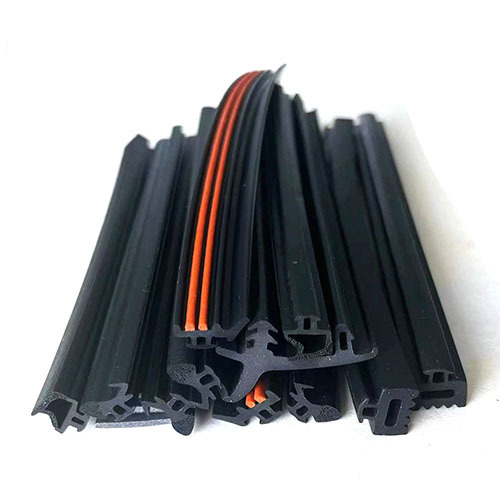
The primary function of fire resistant sealing strips is to seal gaps and joints in structures, preventing the passage of fire and smoke. They are commonly used in doors, windows, and walls to create a barrier that can withstand high temperatures. The materials used in these strips are specifically engineered to resist ignition and slow down the spread of flames. Common materials include silicone, intumescent compounds, and certain types of rubber, each offering unique properties that contribute to their fire resistance.
One of the key features of fire resistant sealing strips is their ability to expand when exposed to heat. This intumescent property allows the sealing strip to swell, filling gaps and creating a tight seal that further inhibits the passage of flames and smoke. This characteristic is particularly valuable in emergency situations, where every second counts, and effective containment can significantly reduce the risk of fire-related injuries and property damage.
In addition to their fire-resistant qualities, these sealing strips can also provide thermal insulation and soundproofing benefits. Properly installed sealing strips can create a more energy-efficient environment by minimizing air leakage, thus lowering heating and cooling costs. Furthermore, they can help in reducing noise transmission between spaces, contributing to a more comfortable and productive workspace.
Choosing the right fire resistant sealing strip involves considering several factors, including the specific application, the temperature rating, and the type of environment in which it will be used. It is essential to consult with experts in the field to determine the most suitable product for your needs, ensuring that it meets regulatory standards and provides the necessary level of protection.
In summary, fire resistant sealing strips are an essential component for enhancing safety in various industrial applications, particularly within the chemical and rubber sectors. By understanding their functionality and properties, businesses can make informed choices that protect their assets and personnel. Prioritizing the installation of effective fire resistant sealing solutions is a proactive step toward ensuring a safer operational environment.
Keywords:
More information


Hebei Shengyi Plastic Technology Co., Ltd.
The company specializes in producing various materials such as composite extrusion, monomer extrusion, rubber plastic product docking molding, injection molded parts, molded parts, EPDM rubber sealing strips, foam rubber strips, PVC sealing strips, high-temperature resistant silicone strips, and various door and window sealing strips.