Welcome to the website of Hebei Shengyi Plastic Technology Co., Ltd.


Understanding Foam Seal Strips: Essential Components for Effective Sealing
Release time:
2026-07-30
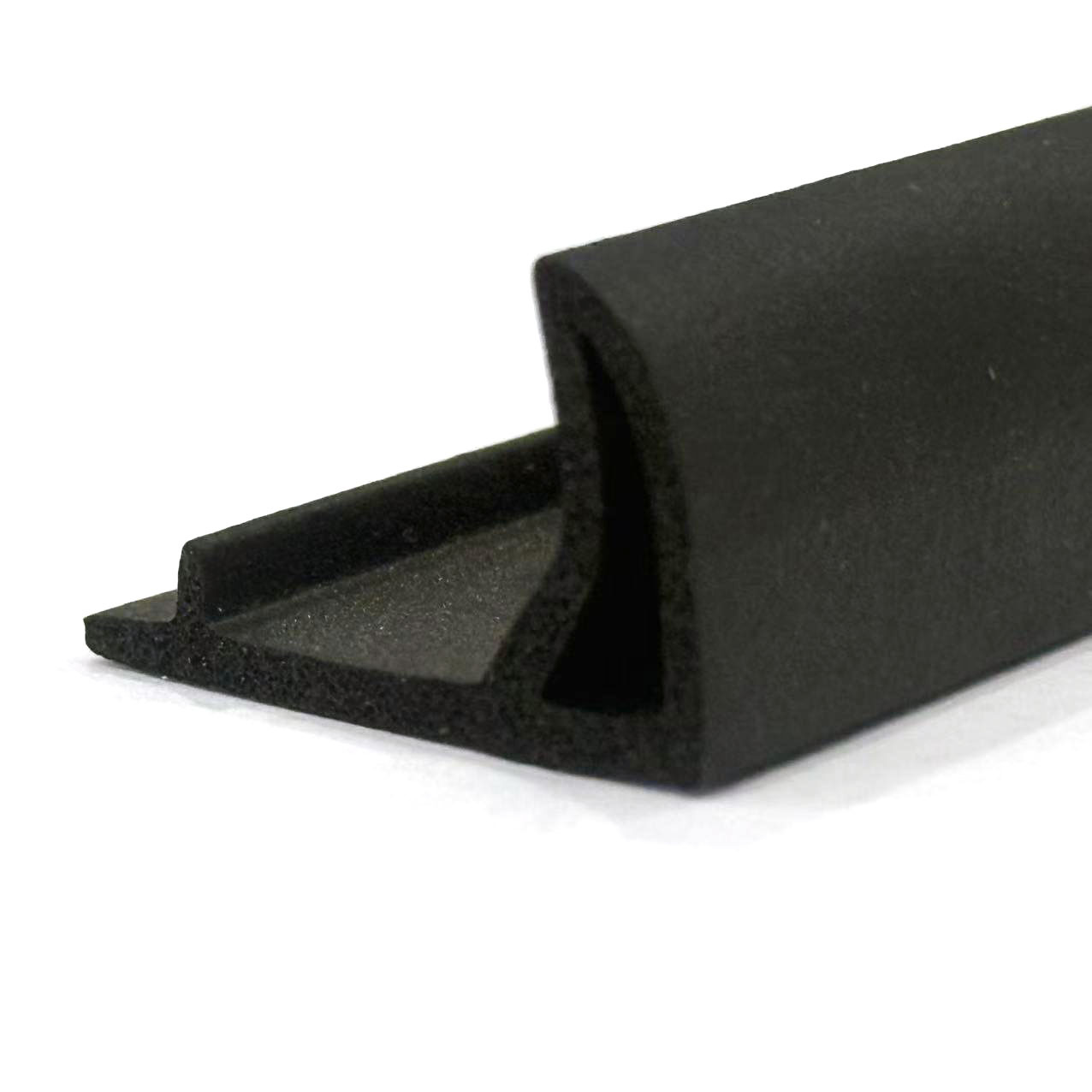
Foam seal strips are versatile components typically made from materials like polyurethane, polyethylene, and neoprene. These strips serve a variety of purposes, primarily focusing on sealing gaps and preventing air, water, and dust infiltration. Their unique structure allows them to conform to irregular surfaces, making them an ideal choice for applications that require flexibility and adaptabilit
One of the key attributes of foam seal strips is their ability to provide thermal insulation. By utilizing these strips in your sealing solutions, you can significantly enhance energy efficiency in buildings and equipment. They act as barriers to heat transfer, thereby helping to maintain desired temperatures within various environments, which is especially beneficial in chemical processing facilities where temperature control is paramount.
Moreover, foam seal strips are effective in noise reduction applications. By installing these strips around doors, windows, or machinery, you can minimize sound transmission, creating a quieter and more comfortable working environment. This feature is particularly important in industries where noise levels can exceed safe or comfortable thresholds.
The chemical resistance of foam seal strips makes them suitable for environments where exposure to various chemicals is common. Choosing the right type of foam material ensures that the strips can withstand chemical interactions without degrading, thus prolonging their lifespan and maintaining sealing effectiveness. This characteristic is essential for companies dealing with aggressive substances, as it guarantees safety and reliability in sealing applications.
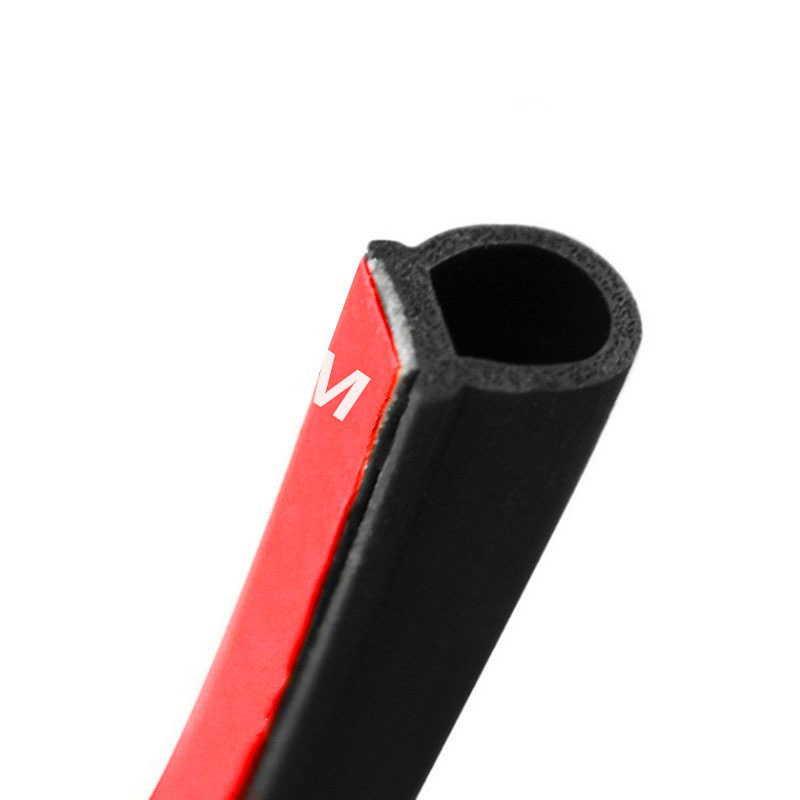
In addition to their practical applications, foam seal strips offer ease of installation. Many strips come with adhesive backing, allowing for quick and straightforward application without the need for specialized tools. This convenience can save time and reduce labor costs, making foam seal strips a popular choice in both industrial and commercial settings.
When selecting foam seal strips for your specific needs, it’s important to consider factors such as density, thickness, and material type. Each of these elements can influence the performance of the seal strip in its intended application. Consulting with suppliers or technical experts can provide valuable insights into which foam seal strip will best suit your requirements.
In conclusion, foam seal strips are indispensable tools in the chemical and rubber industries, offering a multitude of benefits from insulation to chemical resistance. Understanding the properties and applications of these strips can significantly enhance your sealing solutions, improving operational efficiency and safety. By integrating the right foam seal strips into your processes, you can achieve optimal performance and durability in your sealing applications.
Keywords:
More information


Hebei Shengyi Plastic Technology Co., Ltd.
The company specializes in producing various materials such as composite extrusion, monomer extrusion, rubber plastic product docking molding, injection molded parts, molded parts, EPDM rubber sealing strips, foam rubber strips, PVC sealing strips, high-temperature resistant silicone strips, and various door and window sealing strips.