Welcome to the website of Hebei Shengyi Plastic Technology Co., Ltd.


Exploring the Installation Techniques for EPDM Foam Sealing Strips: A Comprehensive Guide
Release time:
2026-07-27
Exploring the Installation Techniques for EPDM Foam Sealing Strips EPDM (Ethylene Propylene Diene Monomer) foam sealing strips are an essential component in a wide variety of industrial applications, particularly in the chemical and rubber industries. These flexible sealing solutions provide excellent insulation, weather resistance, and sound dampening, making them a popular choice for both commer
Exploring the Installation Techniques for EPDM Foam Sealing Strips
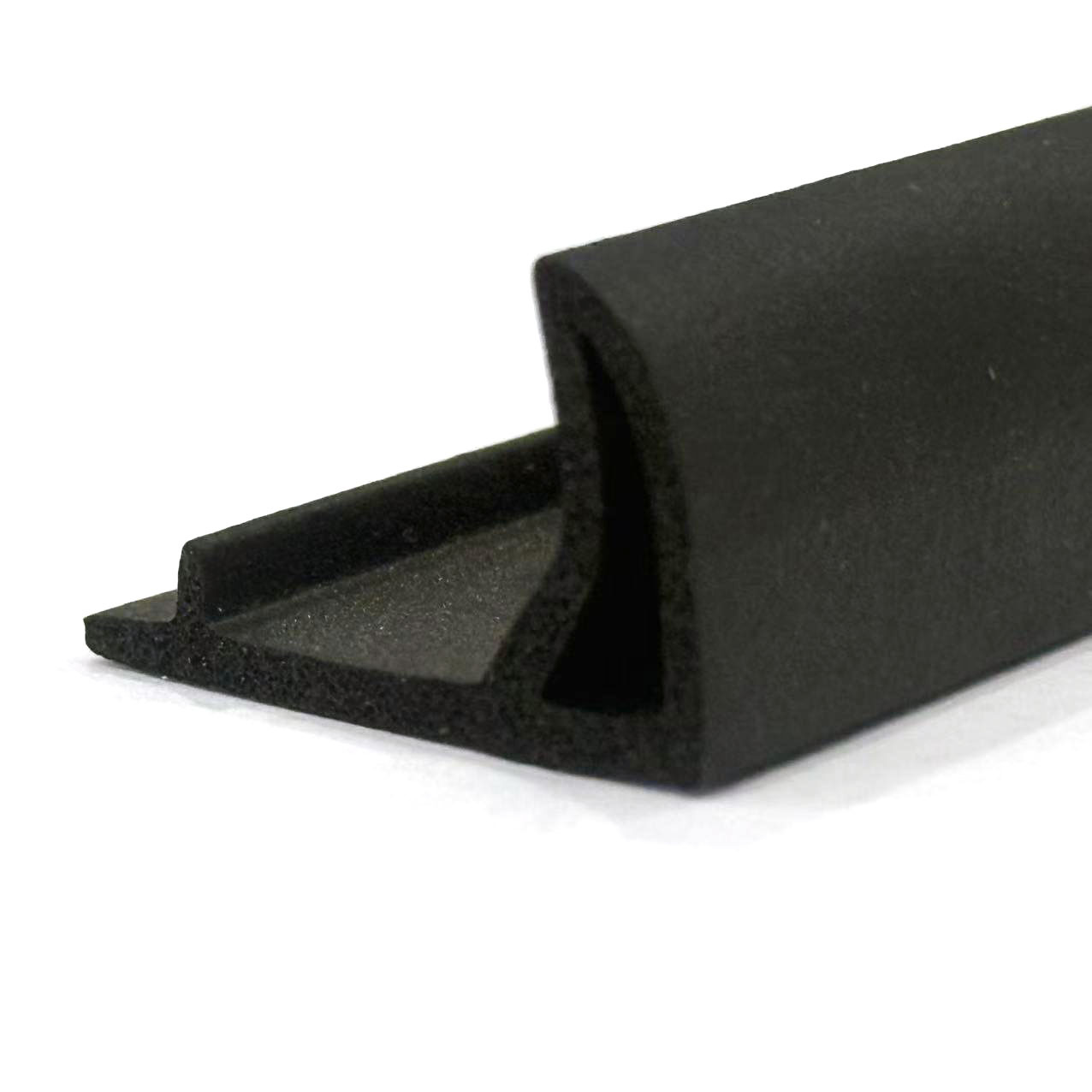
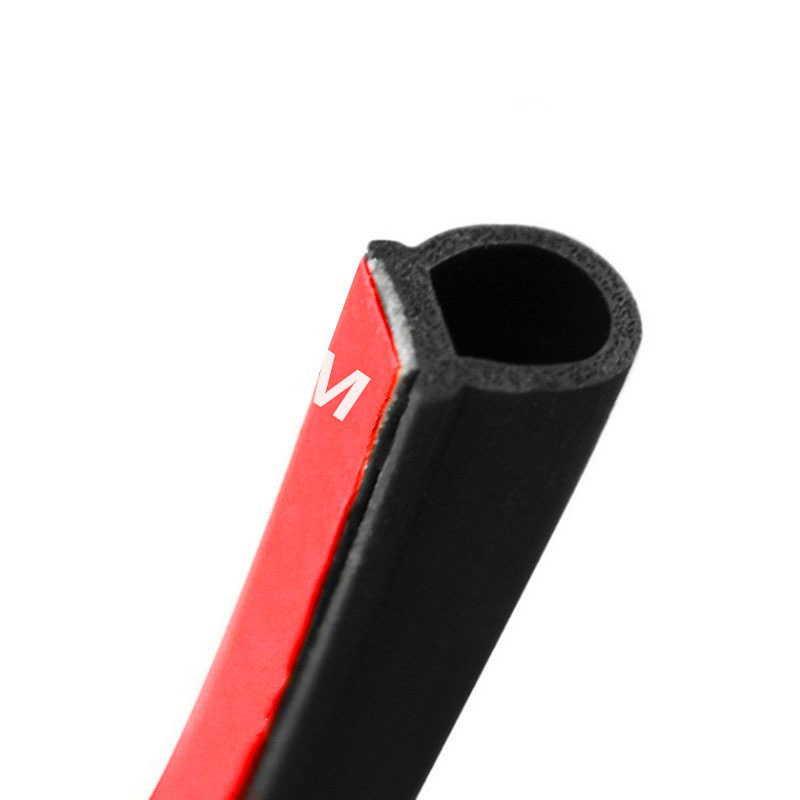
EPDM (Ethylene Propylene Diene Monomer) foam sealing strips are an essential component in a wide variety of industrial applications, particularly in the chemical and rubber industries. These flexible sealing solutions provide excellent insulation, weather resistance, and sound dampening, making them a popular choice for both commercial and residential use. In this comprehensive guide, we will delve into the **installation techniques** for EPDM foam sealing strips, equipping you with the knowledge needed to ensure a successful installation.
Table of Contents
1. Understanding EPDM Foam Sealing Strips
2. The Importance of Proper Installation
3. Tools and Materials Needed for Installation
4. Step-by-Step Installation Techniques
4.1 Preparing the Surface
4.2 Measuring and Cutting the Seal
4.3 Applying Adhesive
4.4 Installing the Foam Strip
4.5 Finishing Touches and Quality Checks
5. Common Mistakes to Avoid During Installation
6. Maintenance Tips for EPDM Foam Sealing Strips
7. Frequently Asked Questions (FAQs)
8. Conclusion
1. Understanding EPDM Foam Sealing Strips
EPDM foam sealing strips are made from a synthetic rubber that provides superior resistance to ultraviolet (UV) light, ozone, and extreme weather conditions. Their flexible nature allows them to conform to a variety of surfaces, making them ideal for sealing gaps and joints in doors, windows, and various equipment. The **durability** and **versatility** of EPDM foam sealing strips make them a go-to solution in various industries, including automotive, construction, and manufacturing.
2. The Importance of Proper Installation
The effectiveness of EPDM foam sealing strips significantly depends on how well they are installed. Proper installation ensures that the strips create a tight seal, preventing air and moisture leakage. This is crucial in applications where insulation is necessary, as it contributes to energy efficiency and reduces heating and cooling costs. Furthermore, a well-installed seal enhances the lifespan of the strip and the overall quality of the installation.
3. Tools and Materials Needed for Installation
Before starting the installation process, it’s essential to gather all necessary tools and materials. Here’s a comprehensive list:
- EPDM foam sealing strips
- Cleaning solvent (like isopropyl alcohol)
- Measuring tape
- Utility knife or razor blade
- Adhesive (foam tape or contact cement)
- Roller or pressure tool for applying pressure
- Safety gloves and goggles
Having these tools readily available will streamline the installation process and help ensure a professional finish.
4. Step-by-Step Installation Techniques
Installing EPDM foam sealing strips can be straightforward if you follow these detailed steps.
4.1 Preparing the Surface
Cleanliness is paramount for a successful installation. Start by removing any dirt, grease, or old adhesive from the surface where the sealing strip will be applied. Use a cleaning solvent to thoroughly wipe down the area, ensuring it is free of debris. Allow the surface to dry completely to ensure optimal adhesion.
4.2 Measuring and Cutting the Seal
Accurate measurements are crucial for a proper fit. Use a measuring tape to determine the length of the area to be sealed. Add a few extra inches to accommodate any adjustments while cutting. With your utility knife, carefully cut the EPDM foam sealing strip to the required length, ensuring a straight, clean edge.
4.3 Applying Adhesive
Select an appropriate adhesive based on the material and application. If using foam tape, simply peel off the backing. For contact cement, apply a thin, even layer to both the strip and the prepared surface. Follow the manufacturer's recommendations for drying times before proceeding to the next step.
4.4 Installing the Foam Strip
Align the EPDM foam sealing strip with the edge of the surface, ensuring it fits snugly without any gaps. Press the strip firmly into place, starting from one end and working your way to the other. For additional adhesion, use a roller or pressure tool to apply even pressure along the length of the strip. This step is crucial to ensure the seal is tight and secure.
4.5 Finishing Touches and Quality Checks
After the sealing strip is installed, inspect the entire length for any defects or gaps. If necessary, trim any excess material and ensure that the strip is uniformly applied. Perform a final quality check by testing the seal for air or water leaks, especially in critical applications.
5. Common Mistakes to Avoid During Installation
Even experienced professionals can make mistakes during installation. Here are some common errors to avoid:
- **Inadequate Surface Preparation**: Failing to clean the surface thoroughly can lead to poor adhesion and a less effective seal.
- **Incorrect Measurements**: Always double-check measurements before cutting to avoid wasting materials.
- **Using the Wrong Adhesive**: Ensure that the adhesive is compatible with both the EPDM foam and the surface material.
- **Ignoring Environmental Conditions**: Install in suitable weather conditions, avoiding extreme temperatures or humidity that could affect adhesion.
6. Maintenance Tips for EPDM Foam Sealing Strips
Maintaining your EPDM foam sealing strips will extend their lifespan and effectiveness. Here are some tips:
- **Regular Inspection**: Periodically check the seals for signs of wear, tears, or UV degradation.
- **Cleaning**: Use mild soap and water to clean the seals, avoiding harsh chemicals that could damage the material.
- **Replacement**: When the seals show significant wear, replace them promptly to maintain optimal performance.
7. Frequently Asked Questions (FAQs)
What is the lifespan of EPDM foam sealing strips?
EPDM foam sealing strips can last several years, typically between 5 to 10 years, depending on environmental conditions and usage.
Can EPDM foam sealing strips be painted?
While painting EPDM foam is not recommended due to potential adhesion issues, some specialized coatings may be suitable. Always consult with the manufacturer for compatibility.
Are EPDM foam sealing strips resistant to chemicals?
Yes, EPDM foam is resistant to many chemicals, making it an excellent choice for industrial applications. However, it is advisable to check compatibility with specific chemicals.
How do I know which thickness of EPDM foam sealing strip to use?
The thickness should correspond to the size of the gap you are sealing. A thicker strip is generally better for larger gaps, while thinner strips work well for smaller spaces.
Can I install EPDM foam sealing strips in cold weather?
While it is possible to install in colder temperatures, adhesion may be affected. It’s best to follow manufacturer recommendations regarding temperature and humidity for optimal results.
8. Conclusion
In summary, installing EPDM foam sealing strips requires careful preparation, precise measurements, and attention to detail. By following the outlined techniques and avoiding common pitfalls, you can achieve a durable and effective seal. Regular maintenance will ensure that your sealing strips perform optimally for years to come, enhancing insulation and energy efficiency in your applications. With the right knowledge and tools, you can confidently tackle any installation project involving EPDM foam sealing strips.
Keywords:
Previous Page
More information


Hebei Shengyi Plastic Technology Co., Ltd.
The company specializes in producing various materials such as composite extrusion, monomer extrusion, rubber plastic product docking molding, injection molded parts, molded parts, EPDM rubber sealing strips, foam rubber strips, PVC sealing strips, high-temperature resistant silicone strips, and various door and window sealing strips.