Welcome to the website of Hebei Shengyi Plastic Technology Co., Ltd.


Transform Your Home's Comfort: Mastering Effective Door and Window Sealing for Optimal Energy Efficiency
Release time:
2026-04-28
Transform Your Home's Comfort with Effective Door and Window Sealing Introduction to Door and Window Sealing In today's world, **home comfort** is paramount. One of the most effective ways to enhance comfort while reducing energy bills is through effective **door and window sealing**. Drafty doors and windows not only allow uncomfortable air to enter your home but can also lead to increased ener
Transform Your Home's Comfort with Effective Door and Window Sealing
Introduction to Door and Window Sealing
In today's world, **home comfort** is paramount. One of the most effective ways to enhance comfort while reducing energy bills is through effective **door and window sealing**. Drafty doors and windows not only allow uncomfortable air to enter your home but can also lead to increased energy consumption. We explore how proper sealing techniques can drastically improve your living environment.
The Importance of Sealing Doors and Windows
Why Sealing Matters for Energy Efficiency
**Sealing** your doors and windows is essential for maintaining energy efficiency in your home. It prevents heated or cooled air from escaping, thus reducing the workload on your heating and cooling systems. This not only leads to lower energy bills but also contributes to a more sustainable lifestyle.
Enhancing Comfort and Air Quality
By sealing gaps and cracks, you can **improve indoor air quality**. Unsealed windows and doors can lead to the infiltration of dust, allergens, and pollutants. Proper sealing creates a barrier that keeps your indoor air clean and comfortable.
Identifying Common Problem Areas
Common Sources of Drafts
Before diving into sealing techniques, it’s crucial to identify where drafts are coming from. Common problem areas include:
- **Around window frames**: Look for gaps between the window frame and the wall.
- **Door frames**: Check for spaces where the door meets the frame.
- **At the base of doors**: Often overlooked, but gaps at the bottom of doors can lead to significant drafts.
- **In older windows**: Single-pane windows are more likely to have issues compared to double or triple-pane windows.
How to Detect Drafts
A simple way to detect drafts is to conduct a **draft test**. Use a lit candle or incense stick near suspected areas. If the flame flickers or the smoke moves horizontally, you have a draft.
Choosing the Right Materials for Sealing
Types of Sealants and Weatherstripping
Selecting the appropriate materials for sealing is vital. Options include:
- **Caulk**: Ideal for sealing gaps around windows and doors. Choose silicone or latex caulk for flexible, long-lasting results.
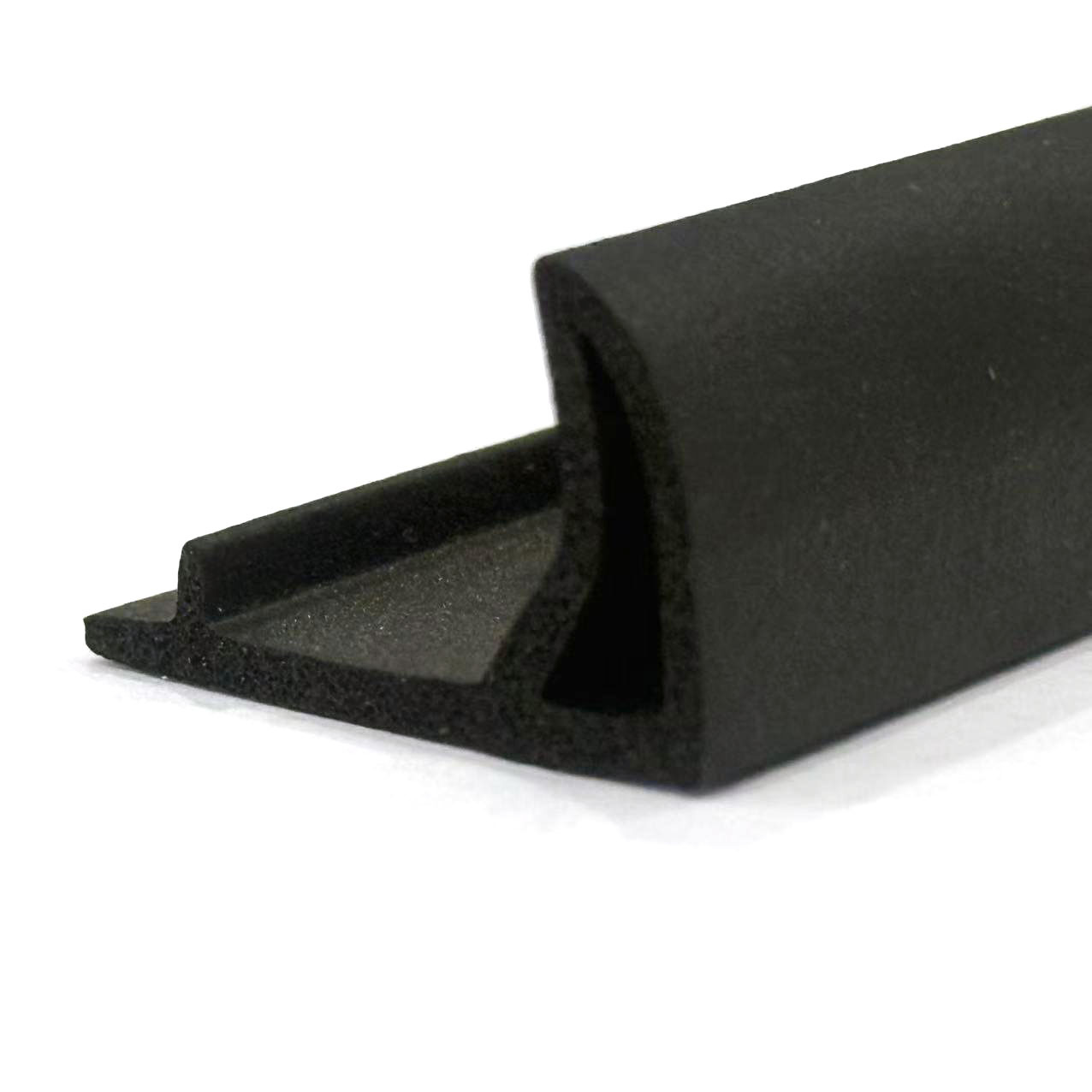
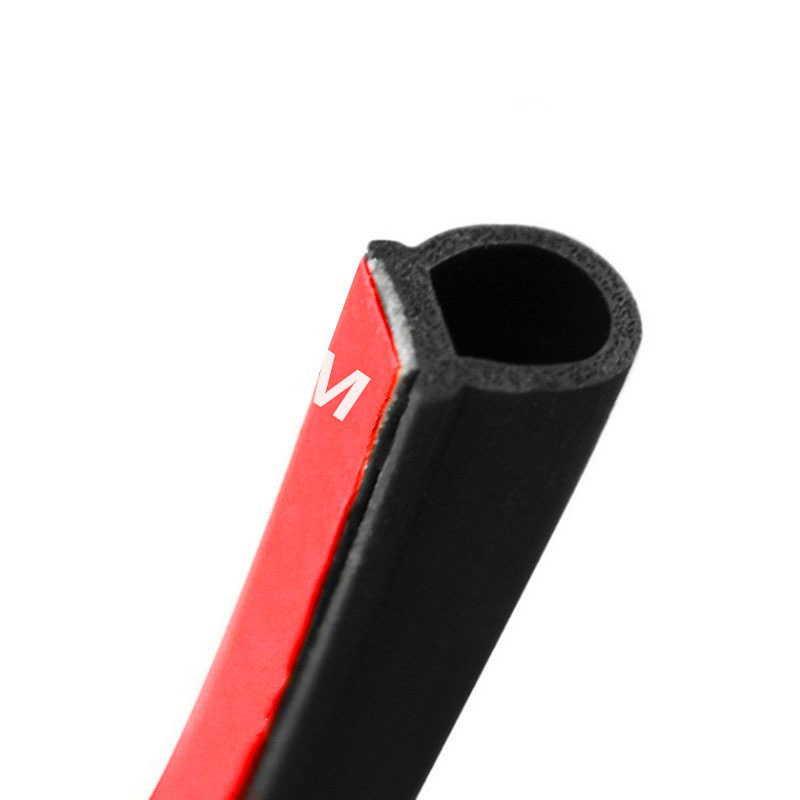
- **Weatherstripping**: Available in various forms, such as adhesive-backed foam, V-strip, and door sweeps, weatherstripping is excellent for sealing movable parts like doors and operable windows.
- **Spray Foam Insulation**: Best for larger gaps. It expands to fill the space and provides excellent insulation.
Considerations for Material Selection
When choosing sealing materials, consider the following factors:
- **Durability**: Look for materials designed to withstand temperature fluctuations without degrading.
- **Flexibility**: Ensure the material maintains its seal even as the door or window moves.
- **Ease of Application**: Some materials require professional installation, while others can be easily applied by homeowners.
Step-by-Step Guide to Sealing Your Doors and Windows
Preparation and Tools Needed
Before you begin sealing, gather the necessary tools:
- Caulk gun
- Utility knife
- Measuring tape
- Weatherstripping
- Scissors
- Cleaning cloths
Sealing Windows: A Step-by-Step Process
1. **Clean the Area**: Remove old caulk or paint to ensure a clean surface.
2. **Measure Gaps**: Use a measuring tape to identify the length of gaps needing sealant.
3. **Apply Caulk**: Load the caulk gun and apply a smooth bead of caulk into the gap, ensuring it fills completely.
4. **Smooth the Caulk**: Use a finger or caulk smoothing tool to ensure a clean finish.
5. **Install Weatherstripping**: Cut weatherstripping to size and apply it to the window frame where it meets the sash.
Sealing Doors: A Step-by-Step Process
1. **Inspect Door Frame**: Look for gaps around the door frame and at the bottom of the door.
2. **Apply Weatherstripping**: Measure and cut the weatherstripping to fit the length of the door frame. Affix it to the frame, ensuring a tight seal when the door is closed.
3. **Install a Door Sweep**: Attach a door sweep at the bottom of the door to block drafts.
Maintaining Sealed Windows and Doors
Regular Inspections
Once your doors and windows are sealed, it’s essential to perform regular inspections. Check for any signs of wear, such as peeling caulk or damaged weatherstripping, and replace materials as needed to maintain efficiency.
Seasonal Maintenance Tips
- **Before Winter**: Ensure all seals are intact to prevent cold drafts from entering.
- **Before Summer**: Check for any heat leaks to keep your air conditioning costs down.
Additional Benefits of Effective Sealing
Noise Reduction
Effective sealing can also help reduce external noise, creating a more peaceful home environment. Sealed windows and doors act as sound barriers, minimizing disturbances from outside.
Enhanced Security
Sealing your doors and windows properly can enhance your home's security. Well-fitted doors and windows are more challenging to force open, providing an additional layer of protection against intruders.
Frequently Asked Questions (FAQs)
1. How often should I check my door and window seals?
We recommend checking your seals at least once a year, particularly before the winter and summer seasons when energy efficiency is crucial.
2. Can I seal my windows without professional help?
Yes, many sealing techniques can be performed by homeowners with the right tools and materials. However, for larger gaps or if you’re unsure, consulting a professional might be beneficial.
3. What are the signs that my windows need resealing?
Signs include drafts, condensation, and visible gaps or cracks around the window frame.
4. Is caulking better than weatherstripping?
Both serve different purposes. Caulking is best for filling gaps, while weatherstripping is ideal for movable parts. Often, a combination of both yields the best results.
5. How long does sealing last?
The lifespan of sealing materials varies. Caulk can last 5-10 years depending on conditions, while weatherstripping may need to be replaced every few years.
Conclusion
Transforming your home’s comfort and energy efficiency through effective door and window sealing is a rewarding endeavor. By understanding the importance of sealing, utilizing the right materials, and following systematic sealing methods, homeowners can create a cozy, energy-efficient living space. Regular maintenance ensures that your efforts provide lasting benefits, enhancing not only comfort but also the longevity of your home. Take charge of your home’s comfort today—seal those gaps and enjoy a more enjoyable living environment year-round.
Keywords:
More information


Hebei Shengyi Plastic Technology Co., Ltd.
The company specializes in producing various materials such as composite extrusion, monomer extrusion, rubber plastic product docking molding, injection molded parts, molded parts, EPDM rubber sealing strips, foam rubber strips, PVC sealing strips, high-temperature resistant silicone strips, and various door and window sealing strips.