Welcome to the website of Hebei Shengyi Plastic Technology Co., Ltd.


Maximizing Performance with Waterproof Sealing Strips: Essential Insights
Release time:
2026-04-21
Waterproof sealing strips are an essential component in various industries, particularly in the chemical sector related to rubber and other rubber products. These strips are designed to provide a robust barrier against water ingress, protecting sensitive materials, equipment, and structures from moisture damage. Understanding the characteristics and applications of waterproof sealing strips can si
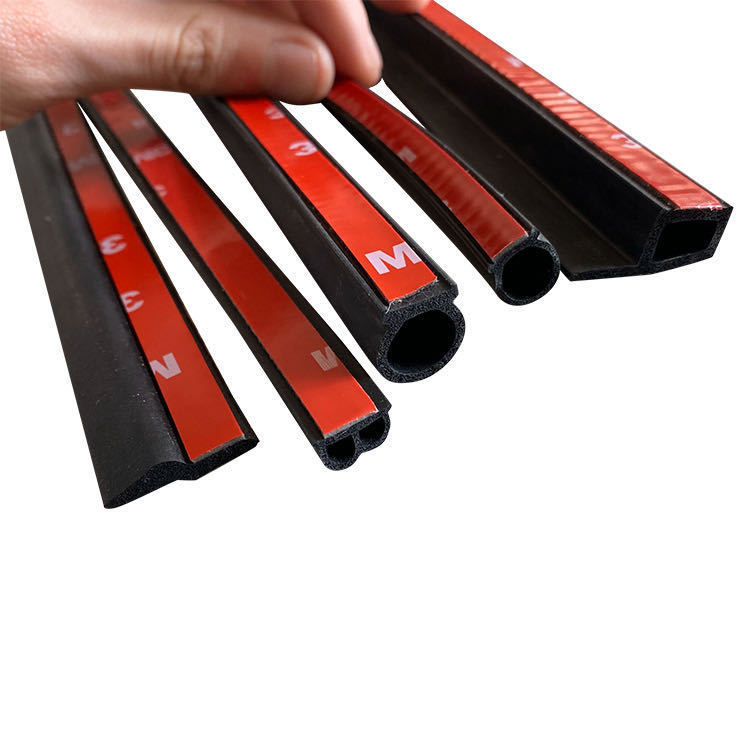
One of the primary benefits of waterproof sealing strips is their ability to create a reliable seal in a variety of environments. They are commonly used in doors, windows, electrical enclosures, and even automotive components to prevent water from entering. This is particularly vital in areas exposed to heavy rain or water splashing, where any breach can lead to severe consequences, including corrosion, mold growth, and structural weakening.
The materials used in waterproof sealing strips vary, but they typically include rubber or silicone, both of which offer flexibility and durability. Rubber strips are known for their resilience and long-lasting performance, while silicone offers superior elasticity and temperature resistance. When selecting a waterproof sealing strip, it's essential to consider the specific requirements of your application, including temperature fluctuations, exposure to chemicals, and the potential for mechanical stress.
Installation is another critical aspect of utilizing waterproof sealing strips effectively. Proper application ensures that the strips form a tight seal, eliminating any gaps where water could potentially penetrate. It is recommended to clean the surface thoroughly before applying the strip, ensuring that it adheres securely and effectively. Additionally, measuring the area accurately to cut the strip to the desired length will prevent unnecessary waste and enhance the sealing capability.
In addition to their protective properties, waterproof sealing strips can also contribute to energy efficiency. By preventing drafts and moisture entry, they help maintain consistent indoor temperatures, reducing heating and cooling costs. This feature is especially beneficial in residential and commercial buildings, where energy savings can lead to significant cost reductions over time.
In summary, waterproof sealing strips are vital in protecting equipment and structures from water damage across various applications. By understanding the materials, benefits, and proper installation techniques, you can maximize their effectiveness and enhance the performance of your projects. Whether in industrial settings or everyday use, investing in high-quality waterproof sealing strips can yield substantial long-term benefits.
Keywords:
Previous Page
More information



Hebei Shengyi Plastic Technology Co., Ltd.
The company specializes in producing various materials such as composite extrusion, monomer extrusion, rubber plastic product docking molding, injection molded parts, molded parts, EPDM rubber sealing strips, foam rubber strips, PVC sealing strips, high-temperature resistant silicone strips, and various door and window sealing strips.