Welcome to the website of Hebei Shengyi Plastic Technology Co., Ltd.


How to Spot Wear and Tear on Your Car Door Seal Strips: A Comprehensive Guide
Release time:
2026-04-20
How to Spot Wear and Tear on Your Car Door Seal Strips Table of Contents 1. Introduction to Car Door Seal Strips 2. Importance of Door Seal Strips 3. Common Types of Wear and Tear on Seal Strips 3.1. Cracking 3.2. Hardening 3.3. Peeling 3.4. Warping 3.5. Discoloration 4. How to Inspect Seal Strips for Damage 5. Signs You Should Replace Your Door Seal Strips 6. Maintenance T
How to Spot Wear and Tear on Your Car Door Seal Strips
Table of Contents
1. Introduction to Car Door Seal Strips
2. Importance of Door Seal Strips
3. Common Types of Wear and Tear on Seal Strips
3.1. Cracking
3.2. Hardening
3.3. Peeling
3.4. Warping
3.5. Discoloration
4. How to Inspect Seal Strips for Damage
5. Signs You Should Replace Your Door Seal Strips
6. Maintenance Tips for Car Door Seal Strips
7. Choosing the Right Replacement Seal Strips
8. Frequently Asked Questions
9. Conclusion
1. Introduction to Car Door Seal Strips
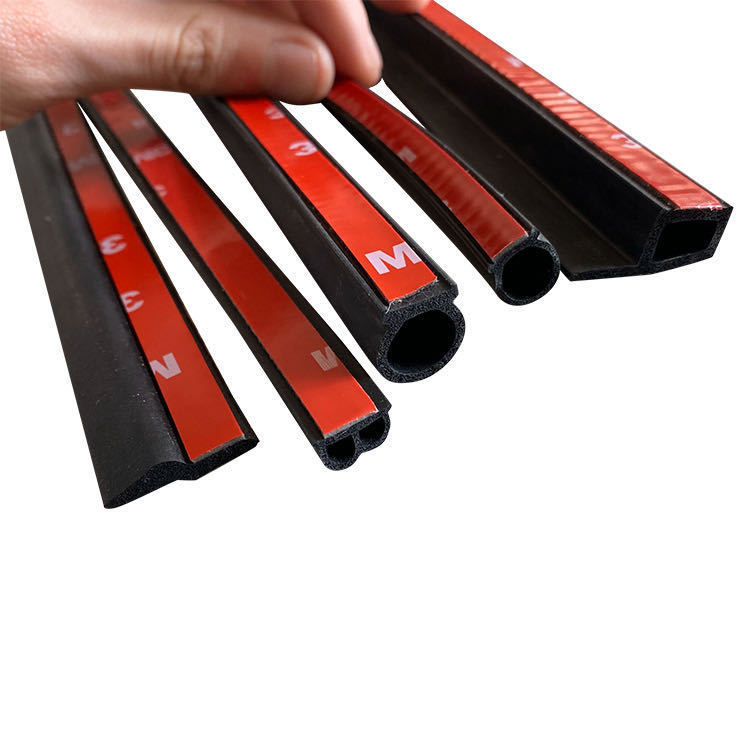
Car door seal strips, often referred to as weather stripping, are vital components that play a significant role in the overall functionality of your vehicle. These rubber strips are located around the edges of car doors and windows, acting as a barrier against environmental factors such as wind, water, and dirt. Understanding how to spot wear and tear on these strips is essential for maintaining your vehicle’s integrity and ensuring a comfortable ride.
2. Importance of Door Seal Strips
The importance of door seal strips cannot be overstated. They not only prevent water leaks and wind noise but also help maintain the climate inside your vehicle. Effective seal strips can reduce the need for heating or air conditioning, which in turn improves fuel efficiency. Furthermore, they protect your vehicle's interior from dust and debris, thus enhancing the longevity of your car’s upholstery.
3. Common Types of Wear and Tear on Seal Strips
To effectively maintain your car's door seal strips, it’s crucial to recognize the different types of damage that can occur over time. Here are some of the most common signs of wear and tear:
3.1. Cracking
Cracking is often the first indication that your door seal strips are deteriorating. This damage usually arises from exposure to harsh weather conditions, such as extreme heat or cold. It’s essential to inspect these cracks regularly as they can lead to more significant issues like leaks.
3.2. Hardening
Over time, seal strips can harden due to age and exposure to the sun's UV rays. Hardening makes the material less flexible, resulting in a compromised seal that may not fit snugly against your vehicle's door frame.
3.3. Peeling
Peeling occurs when the adhesive that holds the seal strip in place begins to fail. This can lead to gaps between the door and the seal strip, allowing moisture and air to penetrate the interior of your vehicle.
3.4. Warping
Warping can happen as a result of temperature fluctuations. When seal strips warp, they no longer align properly with the car door, leading to reduced effectiveness.
3.5. Discoloration
While discoloration may not affect the function of the seal strips, it can indicate that the material is breaking down. A faded or discolored seal strip may eventually lead to cracks and other forms of deterioration.
4. How to Inspect Seal Strips for Damage
Regular inspection of your car's door seal strips is key to identifying potential problems early. Here’s how to conduct a thorough inspection:
1. **Visual Examination**: Start by visually inspecting the seal strips for any visible signs of wear, such as cracking, peeling, or warping. Look for any gaps between the strip and the door frame.
2. **Feel the Texture**: Run your fingers along the surface of the seal strip. It should feel soft and flexible. If it feels hard or brittle, it is likely time for a replacement.
3. **Check for Leaks**: After heavy rain or a car wash, check inside your vehicle for any signs of water leaks. If you notice moisture, inspect the seal strips immediately.
4. **Close the Door Properly**: Close the car door while ensuring it aligns perfectly with the frame. Listen for any unusual sounds, like wind noise, which may indicate a compromised seal.
5. Signs You Should Replace Your Door Seal Strips
Knowing when to replace your door seal strips can save you from costly repairs down the line. Here are key indicators that replacement is necessary:
- **Visible Damage**: If you notice cracks, peeling, or complete detachment from the door frame.
- **Increased Wind Noise**: Excess noise while driving can suggest that the seals are no longer effective.
- **Water Leaks**: Any sign of water intrusion after rain or washing your car indicates a failing seal.
- **Deterioration of Interior Components**: If your car’s upholstery or electrical components show signs of water damage, the seal strips may be to blame.
6. Maintenance Tips for Car Door Seal Strips
Maintaining your car door seal strips can extend their lifespan and effectiveness. Follow these tips for optimal care:
- **Regular Cleaning**: Clean the seal strips with a mild soap solution to remove dirt and debris. Avoid harsh chemicals that can deteriorate the rubber.
- **Inspect Frequently**: Make inspections a part of your regular vehicle maintenance routine.
- **Use Protectants**: Apply a rubber protectant specifically designed for weather stripping. This can help maintain flexibility and prevent cracking.
- **Avoid Excessive Force**: When closing your car doors, do so gently to avoid stressing the seal strips.
7. Choosing the Right Replacement Seal Strips
If you determine that your door seal strips need to be replaced, it is crucial to select the correct type for your vehicle. Here’s what to consider:
- **OEM vs. Aftermarket**: Original Equipment Manufacturer (OEM) parts are often more reliable than aftermarket options but can be more expensive. Decide based on your budget and preference for quality.
- **Material**: Look for high-quality rubber that can withstand various weather conditions.
- **Fit**: Ensure that the replacement seal strips are designed to fit your specific make and model of vehicle.
8. Frequently Asked Questions
What causes door seal strips to wear out?
Exposure to harsh weather, UV rays, and age can cause wear and tear on door seal strips.
How often should I inspect my car door seal strips?
Regular inspections should be part of your routine vehicle maintenance, ideally every few months.
Can I repair worn seal strips instead of replacing them?
Minor damage, like small cracks, can sometimes be repaired with sealant, but replacement is usually recommended for significant damage.
Will replacing seal strips improve my vehicle's fuel efficiency?
Yes, effective seal strips can help maintain the car's climate, potentially reducing the need for heating or air conditioning and improving fuel efficiency.
Are there specific brands of seal strips that are better than others?
While many brands offer quality seal strips, it's wise to choose reputable manufacturers known for durability and performance.
9. Conclusion
In summary, **understanding how to spot wear and tear on your car door seal strips** is essential for maintaining the integrity and comfort of your vehicle. Regular inspections, proper maintenance, and timely replacements can save you from costly repairs and ensure a pleasant driving experience. By being proactive about your car’s seal strips, you’re not only protecting your vehicle but also enhancing its overall performance and longevity. Embrace this guide as your resource for keeping your car in top shape and enjoy the peace of mind that comes with well-maintained seal strips.
Keywords:
Previous Page
More information


Hebei Shengyi Plastic Technology Co., Ltd.
The company specializes in producing various materials such as composite extrusion, monomer extrusion, rubber plastic product docking molding, injection molded parts, molded parts, EPDM rubber sealing strips, foam rubber strips, PVC sealing strips, high-temperature resistant silicone strips, and various door and window sealing strips.