Welcome to the website of Hebei Shengyi Plastic Technology Co., Ltd.


Why Fire Resistant Sealing Strips Are Essential for Safety: Ensuring Protection in Industrial Settings
Release time:
2026-03-17
Understanding the Importance of Fire Resistant Sealing Strips in Safety Protocols In today’s industrial landscape, safety is paramount. Among the various safety measures, **fire-resistant sealing strips** are essential components that provide a critical line of defense against fire hazards. These specialized sealing solutions not only help contain fires but also prevent smoke and toxic fumes from
Understanding the Importance of Fire Resistant Sealing Strips in Safety Protocols
In today’s industrial landscape, safety is paramount. Among the various safety measures, **fire-resistant sealing strips** are essential components that provide a critical line of defense against fire hazards. These specialized sealing solutions not only help contain fires but also prevent smoke and toxic fumes from spreading, thus playing a vital role in protecting assets and saving lives.
What Are Fire Resistant Sealing Strips?
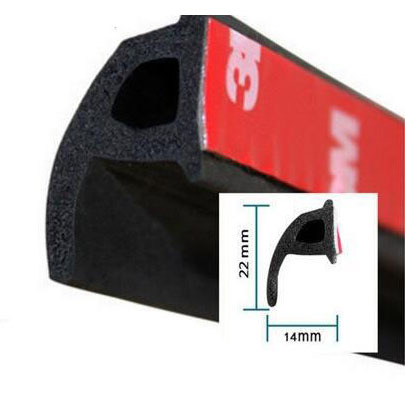
Fire resistant sealing strips are designed to withstand high temperatures and prevent the passage of flames, smoke, and toxic gases. Typically made from materials such as silicone, intumescent compounds, or other fire-resistant materials, these strips are used in various applications, including doors, windows, ducts, and joints in buildings.
Key Characteristics of Fire Resistant Sealing Strips
1. **Temperature Resistance**: These strips can endure high temperatures without degrading or losing their effectiveness.
2. **Smoke and Gas Containment**: They form a robust barrier against smoke and harmful gases, crucial in emergencies.
3. **Durability**: Fire resistant sealing strips are designed to last, maintaining their integrity over time and under various environmental conditions.
4. **Versatility**: Suitable for a wide range of applications, from residential buildings to heavy industrial environments.
The Role of Fire Resistant Sealing Strips in Fire Safety Compliance
Regulatory standards for fire safety vary across industries and regions. However, the implementation of fire-resistant sealing strips is often a key requirement in achieving compliance with these regulations. Installing these strips can help organizations meet safety codes and reduce liabilities.
Industry Regulations and Standards
Understanding relevant codes, such as NFPA (National Fire Protection Association) and local building codes, is essential for ensuring compliance. Fire-resistant sealing strips play a significant role in satisfying these regulations by providing necessary fire and smoke barriers.
Common Standards for Fire Resistant Sealing Solutions
1. **UL 10C**: This standard assesses the performance of fire doors, including the effectiveness of sealing strips.
2. **ASTM E84**: This provides guidelines for testing the surface burning characteristics of building materials, ensuring that sealing strips meet safety benchmarks.
The Advantages of Using Fire Resistant Sealing Strips
The use of fire-resistant sealing strips offers numerous benefits that go beyond mere compliance. By investing in these products, organizations can enhance safety, reduce risk, and save costs in the long run.
Enhanced Safety in Work Environments
Fire resistant sealing strips provide a crucial safety feature in workplaces by minimizing the potential for fire spread. Keeping smoke and flames contained allows employees more time to evacuate, which could save lives.
Cost Efficiency
Investing in quality fire-resistant sealing strips can prevent costly damages associated with fire incidents. By mitigating risks, organizations can save on insurance premiums and potential penalties for non-compliance.
Increased Asset Protection
Protecting valuable equipment and infrastructure from fire damage is a priority for any organization. Fire-resistant sealing strips play a vital role in safeguarding assets, thus ensuring operational continuity.
Applications of Fire Resistant Sealing Strips
Fire resistant sealing strips are versatile and can be utilized in various settings, including:
Commercial Buildings
In commercial buildings, these strips are often used on fire doors, windows, and wall joints to create a seamless barrier against fire and smoke.
Industrial Facilities
Factories and warehouses benefit from fire-resistant sealing strips in areas where fire hazards are prevalent, such as around ductwork and machinery.
Residential Applications
Homeowners can also utilize fire-resistant sealing strips in doors and windows to enhance safety and comply with local fire codes.
Choosing the Right Fire Resistant Sealing Strip
Selecting the appropriate fire-resistant sealing strip involves considering several factors, including:
Material Type
Different materials offer varying levels of fire resistance. Common options include silicone, intumescent materials, and other specialized compounds. Organizations should choose based on their specific fire safety needs.
Application Area
The intended use of the sealing strip will also determine the choice. For instance, high-temperature environments may require more robust materials.
Compliance Certifications
Always check for certifications and compliance with industry standards to ensure that the selected sealing strip meets necessary safety regulations.
Installation of Fire Resistant Sealing Strips
Proper installation of fire-resistant sealing strips is essential for their effectiveness. Here are some best practices:
Surface Preparation
Before installation, surfaces should be clean and free from dust, oil, or any contaminants that may affect adhesion.
Correct Measurement and Cutting
Accurate measurements are crucial. Cut sealing strips to fit the specific dimensions of the installation area for maximum efficiency.
Adhesive Application
Using the right adhesive is vital for ensuring a strong bond. Follow manufacturer instructions for the best results.
Regular Inspections
Conduct regular inspections to ensure that sealing strips are intact and functioning properly. This will help maintain fire safety standards.
Maintenance of Fire Resistant Sealing Strips
To ensure ongoing effectiveness, fire-resistant sealing strips require regular maintenance:
Visual Inspections
Regularly check for visible signs of wear, damage, or deterioration. Replace any strips that are compromised.
Cleaning
Keep sealing strips clean and free from debris, which can affect their performance. Follow manufacturer guidelines for cleaning procedures.
Documentation
Keep records of inspections and maintenance activities to demonstrate compliance with safety regulations.
FAQs about Fire Resistant Sealing Strips
1. What materials are fire resistant sealing strips made from?
Fire resistant sealing strips are typically made from silicone, intumescent materials, or other specialized fire-resistant compounds.
2. How do fire resistant sealing strips work?
These strips expand when exposed to heat, filling gaps and preventing the passage of fire, smoke, and toxic gases.
3. Are fire resistant sealing strips required by law?
In many industries, regulations require the use of fire resistant sealing strips to comply with fire safety standards.
4. How often should fire resistant sealing strips be inspected?
Regular inspections should be conducted at least annually, or more frequently in high-risk environments.
5. Can fire resistant sealing strips be used in residential settings?
Yes, homeowners can use fire resistant sealing strips in doors and windows to enhance safety and comply with fire codes.
Conclusion
In summary, fire-resistant sealing strips play a crucial role in enhancing safety across various industries. By acting as a barrier against fire, smoke, and toxic gases, these strips are indispensable in protecting lives and property. Organizations should prioritize the selection, installation, and maintenance of fire-resistant sealing strips to ensure compliance with safety regulations and create a safer environment for everyone. Investing in these sealing solutions is not just a regulatory requirement but a proactive step toward safeguarding assets and ensuring the well-being of employees and occupants alike.
Keywords:
Previous Page
More information



Hebei Shengyi Plastic Technology Co., Ltd.
The company specializes in producing various materials such as composite extrusion, monomer extrusion, rubber plastic product docking molding, injection molded parts, molded parts, EPDM rubber sealing strips, foam rubber strips, PVC sealing strips, high-temperature resistant silicone strips, and various door and window sealing strips.