Welcome to the website of Hebei Shengyi Plastic Technology Co., Ltd.


Understanding Waterproof Sealing Strips: Essential Components for Effective Sealing
Release time:
2026-03-16
Waterproof sealing strips are essential components in a myriad of applications, especially in industries that require reliable protection against moisture and environmental contaminants. These strips are typically made from a variety of materials, including rubber, silicone, and thermoplastic elastomers, which offer excellent flexibility and durability. Their primary function is to create a tight
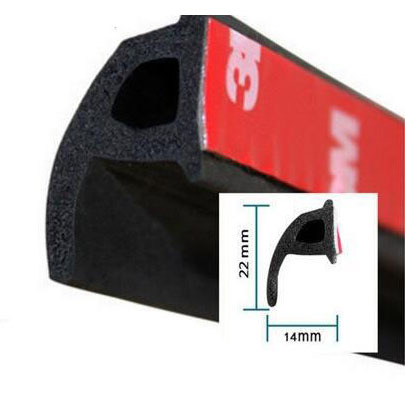
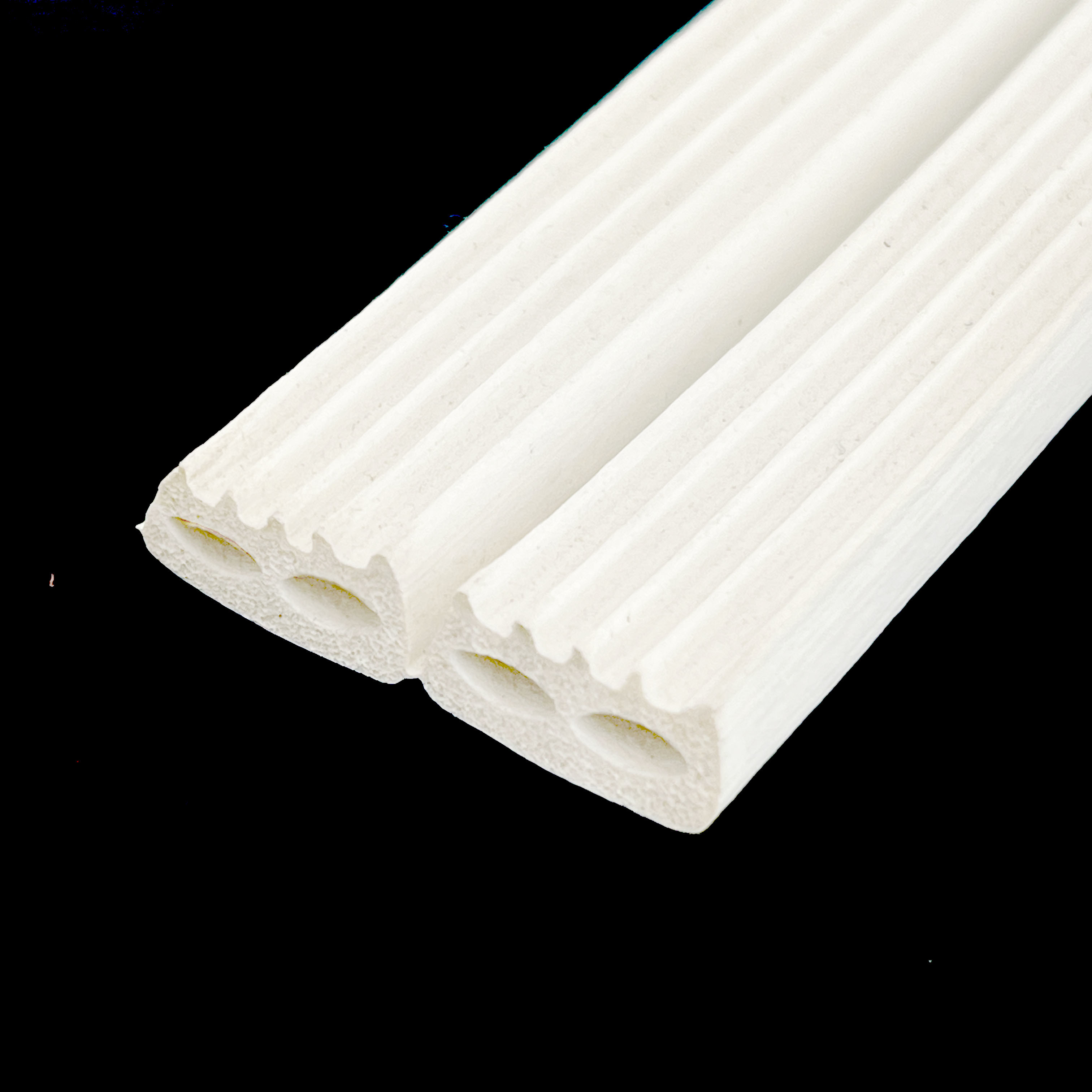
The effectiveness of waterproof sealing strips lies in their design and material composition. They can be found in different shapes and sizes to accommodate various applications, including doors, windows, and even automotive parts. When properly installed, these strips can significantly reduce the risk of water damage, mold growth, and energy loss. The sealing strips work by compressing when a surface is pressed against them, forming a barrier that is difficult for water and air to penetrate.
In addition to their primary function of waterproofing, these sealing strips provide several other advantages. For instance, they can improve energy efficiency by reducing drafts and keeping indoor temperatures stable, which is particularly beneficial in climates with extreme weather conditions. Furthermore, waterproof sealing strips can also enhance sound insulation by creating a tighter seal against noise pollution, contributing to a more comfortable living or working environment.
Choosing the right type of waterproof sealing strip is crucial for achieving optimal performance. Factors such as the specific application, exposure to UV rays, and temperature fluctuations should all be considered. For instance, certain materials are better suited for outdoor use, where they must withstand harsher conditions. Similarly, the thickness and width of the strip can affect the strength of the seal, so selecting the appropriate dimensions is key to ensuring effectiveness.
Installation of waterproof sealing strips is typically straightforward, often requiring just a clean surface and adhesive backing or mechanical fastening. However, ensuring proper alignment and secure adhesion is crucial for maximizing the sealing strip's performance. Regular maintenance and inspection are also recommended to identify any wear or damage, allowing for timely replacements and continued protection.
In summary, waterproof sealing strips are critical components that play a vital role in maintaining the integrity of structures and protecting against environmental factors. By understanding their properties and applications, individuals and businesses can make informed decisions to enhance the durability and functionality of their spaces. Investing in high-quality sealing solutions can ultimately lead to significant long-term benefits, including cost savings and improved occupant comfort.
Keywords:
Previous Page
More information


Hebei Shengyi Plastic Technology Co., Ltd.
The company specializes in producing various materials such as composite extrusion, monomer extrusion, rubber plastic product docking molding, injection molded parts, molded parts, EPDM rubber sealing strips, foam rubber strips, PVC sealing strips, high-temperature resistant silicone strips, and various door and window sealing strips.