Welcome to the website of Hebei Shengyi Plastic Technology Co., Ltd.


Enhancing Energy Efficiency: The Vital Role of Foam Seal Strips in Industrial Applications
Release time:
2026-03-13
Enhancing Energy Efficiency: The Vital Role of Foam Seal Strips in Industrial Applications Table of Contents 1. Introduction to Foam Seal Strips and Energy Efficiency 2. What Are Foam Seal Strips? 3. The Benefits of Foam Seal Strips in Energy Efficiency - Cost Savings Through Energy Conservation - Positive Environmental Impact 4. Applications of Foam Seal Strips in Various Industries - Fo
Enhancing Energy Efficiency: The Vital Role of Foam Seal Strips in Industrial Applications
Table of Contents
1. Introduction to Foam Seal Strips and Energy Efficiency
2. What Are Foam Seal Strips?
3. The Benefits of Foam Seal Strips in Energy Efficiency
- Cost Savings Through Energy Conservation
- Positive Environmental Impact
4. Applications of Foam Seal Strips in Various Industries
- Foam Seal Strips in Manufacturing
- Foam Seal Strips in Construction
5. How to Properly Install Foam Seal Strips
6. Maintenance Tips for Longevity
7. Frequently Asked Questions
8. Conclusion
Introduction to Foam Seal Strips and Energy Efficiency
In today’s increasingly energy-conscious world, **enhancing energy efficiency** has become a crucial priority for industries worldwide. One of the most effective yet often overlooked solutions to improving energy performance is the use of **foam seal strips**. These versatile materials offer significant benefits that not only reduce energy consumption but also contribute to cost savings and environmental sustainability. This article delves into the importance of foam seal strips and how they play a pivotal role in enhancing energy efficiency across various sectors.
What Are Foam Seal Strips?
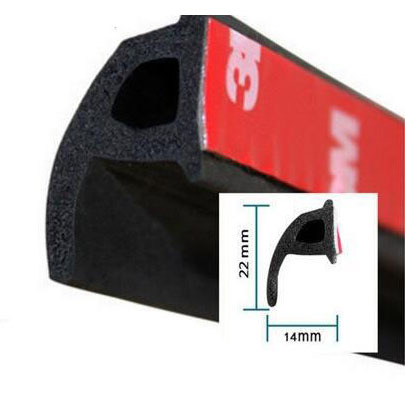
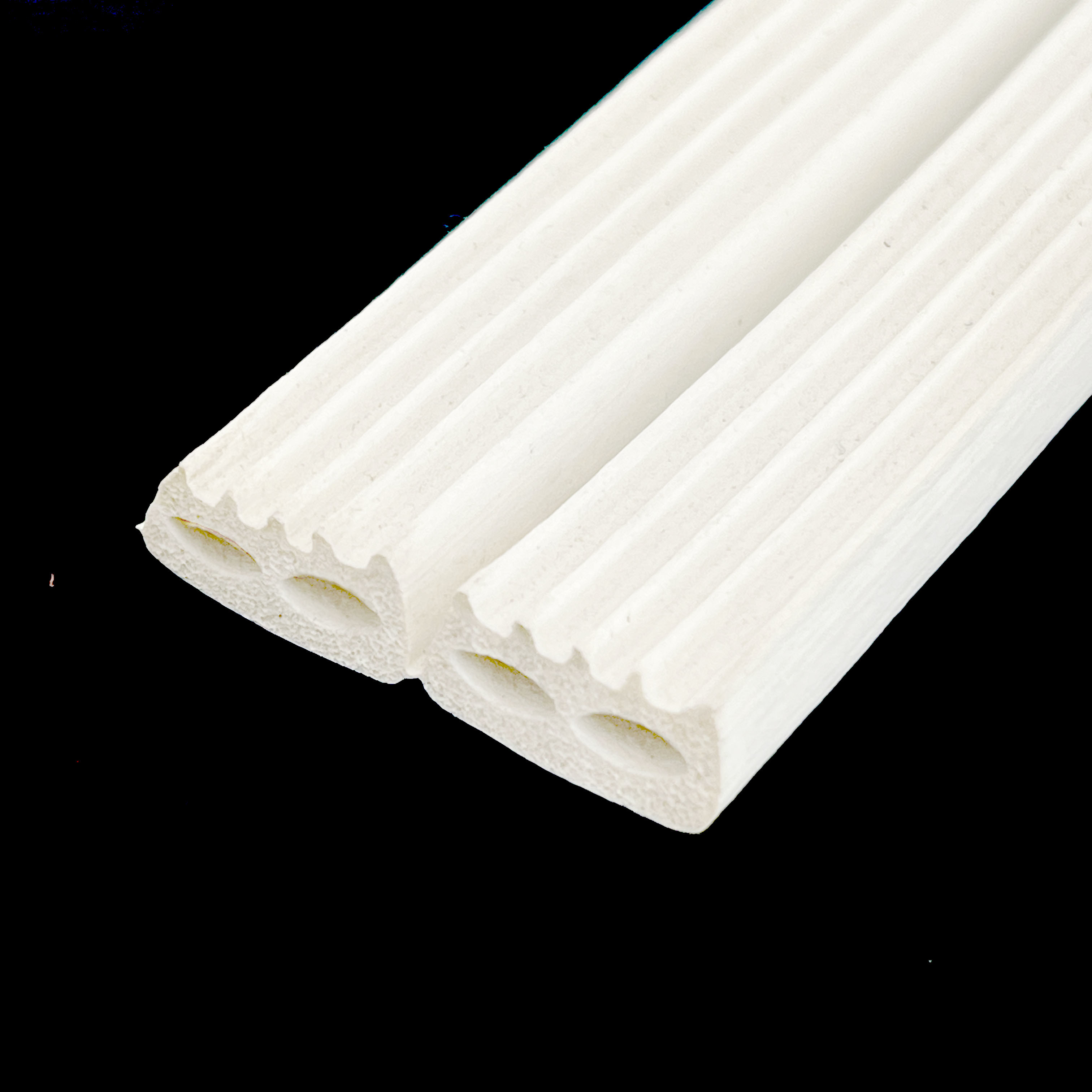
Foam seal strips are **flexible materials typically made from polyurethane or polyethylene foam**. They are designed to seal gaps and joints between different surfaces, preventing air and moisture infiltration. Whether used in windows, doors, or industrial machinery, foam seal strips act as a barrier that enhances insulation and prevents the loss of conditioned air. This characteristic makes them an essential component in efforts to boost energy efficiency.
The Benefits of Foam Seal Strips in Energy Efficiency
Foam seal strips offer a plethora of benefits that contribute directly to energy efficiency. Understanding these advantages is key for industries aiming to maximize their operational performance and sustainability.
Cost Savings Through Energy Conservation
One of the most significant benefits of foam seal strips is **cost savings**. By effectively sealing gaps, these strips minimize the amount of energy required to heat or cool spaces. This reduction in energy consumption translates to lower utility bills, offering a quick return on investment. Industries that implement foam seal strips often notice a substantial decrease in energy costs, making it a financially prudent choice.
Positive Environmental Impact
Using foam seal strips contributes to a **reduction in carbon footprint**. By optimizing energy efficiency, companies can lower their greenhouse gas emissions, aligning with global sustainability goals. The long-term environmental implications are significant as businesses become more accountable for their impact on the planet. Incorporating foam seal strips is not just a cost-saving measure; it’s also a step towards responsible industrial practices.
Applications of Foam Seal Strips in Various Industries
Foam seal strips are incredibly versatile and find applications across a multitude of sectors. Their effectiveness in enhancing energy efficiency makes them indispensable in various settings.
Foam Seal Strips in Manufacturing
In the manufacturing sector, foam seal strips play a critical role in sealing machinery and equipment. They prevent dust and environmental contaminants from entering sensitive areas, thereby enhancing both operational efficiency and product quality. Furthermore, these seal strips help maintain optimal temperatures in production environments, which is vital for processes that require specific thermal conditions.
Foam Seal Strips in Construction
In construction, foam seal strips are used extensively to seal windows, doors, and wall joints. Properly installed foam seal strips prevent air leaks, which can lead to energy loss. This not only improves the energy efficiency of buildings but also enhances indoor comfort. Builders and architects increasingly recognize the importance of these seal strips in creating energy-efficient, sustainable structures.
How to Properly Install Foam Seal Strips
Installing foam seal strips is a straightforward process that can yield significant benefits. Here’s a step-by-step guide to ensure effective installation:
1. **Clean the Surface**: Ensure that the surface where the foam seal strip will be applied is clean and dry.
2. **Measure and Cut**: Measure the length of the area to be sealed and cut the foam seal strip accordingly.
3. **Peel and Stick**: Most foam seal strips come with an adhesive backing. Simply peel off the protective layer and press the strip firmly onto the surface.
4. **Secure the Edges**: For added durability, press down on the edges to ensure a secure bond.
5. **Test for Gaps**: Once installed, check the area for any remaining gaps and adjust as necessary.
Following these steps will ensure that the foam seal strips are installed correctly, maximizing their benefits.
Maintenance Tips for Longevity
To ensure the longevity and effectiveness of foam seal strips, regular maintenance is essential. Here are some tips:
1. **Inspect Regularly**: Check the condition of foam seal strips periodically. Look for signs of wear, cracks, or degradation.
2. **Clean Gently**: Use a soft cloth and mild cleaner to remove dirt and debris without damaging the foam.
3. **Replace When Necessary**: If a foam seal strip shows significant wear or has lost its adhesion, it should be replaced promptly to maintain energy efficiency.
Regular maintenance will not only prolong the life of the foam seal strips but also ensure that they continue to perform effectively.
Frequently Asked Questions
1. What materials are foam seal strips made from?
Foam seal strips are primarily made from materials like polyurethane and polyethylene foam, designed for flexibility and durability.
2. How do foam seal strips improve energy efficiency?
By sealing gaps and joints, foam seal strips prevent air and moisture leaks, reducing the energy required for heating and cooling.
3. Can foam seal strips be used outdoors?
Yes, many foam seal strips are designed for outdoor use and can withstand exposure to the elements.
4. How long do foam seal strips last?
The lifespan of foam seal strips can vary but typically lasts several years depending on environmental conditions and usage.
5. Are foam seal strips easy to install?
Yes, foam seal strips are user-friendly and can be installed with minimal tools and expertise.
Conclusion
Incorporating foam seal strips into industrial applications is a proactive measure towards enhancing **energy efficiency**. The myriad benefits, including cost savings and positive environmental impacts, make foam seal strips an essential component in modern industries. With their versatility in applications ranging from manufacturing to construction, these seal strips contribute significantly to optimizing energy consumption. As industries strive for greater sustainability, the role of foam seal strips will only continue to grow, proving that simple solutions can lead to substantial improvements in energy efficiency and environmental responsibility.
Keywords:
More information


Hebei Shengyi Plastic Technology Co., Ltd.
The company specializes in producing various materials such as composite extrusion, monomer extrusion, rubber plastic product docking molding, injection molded parts, molded parts, EPDM rubber sealing strips, foam rubber strips, PVC sealing strips, high-temperature resistant silicone strips, and various door and window sealing strips.