Welcome to the website of Hebei Shengyi Plastic Technology Co., Ltd.


The Advantages of EPDM Foam Sealing Strips Over Traditional Materials
Release time:
2026-04-26
The Advantages of EPDM Foam Sealing Strips Over Traditional Materials Table of Contents 1. Introduction to EPDM Foam Sealing Strips 2. Understanding EPDM: Properties and Composition 3. Traditional Sealing Materials: A Brief Overview 4. Advantages of EPDM Foam Sealing Strips 4.1 Exceptional Durability 4.2 Weather Resistance 4.3 Flexibili
The Advantages of EPDM Foam Sealing Strips Over Traditional Materials
Table of Contents
- 1. Introduction to EPDM Foam Sealing Strips
- 2. Understanding EPDM: Properties and Composition
- 3. Traditional Sealing Materials: A Brief Overview
- 4. Advantages of EPDM Foam Sealing Strips
- 4.1 Exceptional Durability
- 4.2 Weather Resistance
- 4.3 Flexibility and Compression Set Resistance
- 4.4 Chemical and Ozone Resistance
- 4.5 Ease of Installation and Customization
- 5. Applications of EPDM Foam Sealing Strips
- 6. Cost-Effectiveness and Longevity
- 7. Environmental Impact of EPDM Foam
- 8. Conclusion
- 9. FAQs
1. Introduction to EPDM Foam Sealing Strips
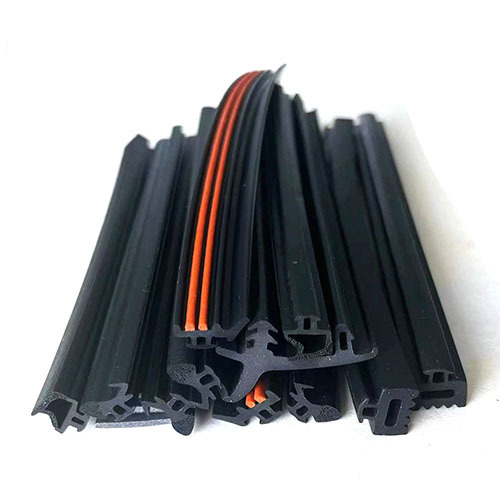
In the realm of sealing solutions, **EPDM foam sealing strips** have emerged as a preferred choice for various industries. These versatile strips are made from **Ethylene Propylene Diene Monomer (EPDM)** rubber, a synthetic rubber that exhibits outstanding performance characteristics. This article delves into why EPDM foam sealing strips are superior to traditional sealing materials, examining their unique properties, benefits, and applications.
2. Understanding EPDM: Properties and Composition
EPDM is a type of synthetic rubber that consists of three monomers: ethylene, propylene, and diene. This combination offers a range of desirable properties, making EPDM an ideal choice for sealing applications. Some key characteristics include:
- **Weather Resistance**: EPDM does not deteriorate when exposed to sun, rain, or snow. Its ability to withstand extreme temperatures ensures that it remains flexible and intact.
- **Elasticity**: EPDM foam can stretch and compress without losing its original shape, making it perfect for applications that require a snug fit.
- **Chemical Resistance**: This material exhibits excellent resistance to various chemicals, oils, and solvents, making it suitable for industrial applications.
3. Traditional Sealing Materials: A Brief Overview
Traditional sealing materials, such as **neoprene, foam tape, and silicone**, have long been used in sealing applications. While these materials have their merits, they often fall short when compared to EPDM foam sealing strips. Common drawbacks include limited temperature ranges, susceptibility to UV damage, and lower chemical resistance.
4. Advantages of EPDM Foam Sealing Strips
The advantages of EPDM foam sealing strips over traditional materials can be categorized into several key areas:
4.1 Exceptional Durability
One of the most significant advantages of EPDM foam sealing strips is their **exceptional durability**. Unlike traditional materials that may crack or degrade over time, EPDM's robust composition ensures a longer lifespan. This durability translates to fewer replacements and repairs, ultimately saving time and resources.
4.2 Weather Resistance
EPDM foam sealing strips excel in **weather resistance**, making them suitable for a variety of harsh environments. They maintain their integrity even when exposed to extreme temperatures, UV radiation, rain, and snow. This property is particularly beneficial in applications such as automotive weather stripping and building seals.
4.3 Flexibility and Compression Set Resistance
The **flexibility** of EPDM foam allows it to conform to irregular surfaces easily, providing a tight seal that prevents air and moisture infiltration. Furthermore, EPDM has an excellent **compression set resistance**, meaning it can recover its original shape after being compressed, ensuring a long-lasting seal.
4.4 Chemical and Ozone Resistance
Traditional sealing materials often struggle with chemical exposure. **EPDM foam sealing strips**, however, provide outstanding **chemical and ozone resistance**. This makes them ideal for industrial applications where exposure to oils and solvents is a concern.
4.5 Ease of Installation and Customization
EPDM foam sealing strips are not only effective but also easy to install. They can be cut to size and customized to fit specific applications, allowing for flexibility in installation. This ease of use is a significant advantage for both manufacturers and DIY enthusiasts.
5. Applications of EPDM Foam Sealing Strips
EPDM foam sealing strips find applications across various industries, including:
- **Automotive Industry**: Used for weather stripping around windows and doors, providing noise reduction and protection from the elements.
- **Construction and Building**: Utilized as seals for windows, doors, and other openings to prevent air and water leaks.
- **HVAC Systems**: Applied in heating, ventilation, and air conditioning systems to enhance energy efficiency.
- **Home Appliances**: Found in refrigerators and washing machines to maintain temperature and prevent leaks.
6. Cost-Effectiveness and Longevity
Choosing EPDM foam sealing strips can lead to **significant cost savings** in the long run. While the initial investment may be slightly higher than traditional materials, their durability and low maintenance needs often result in lower overall costs. Businesses and homeowners alike can benefit from their longevity, reducing the frequency of replacements.
7. Environmental Impact of EPDM Foam
As sustainability becomes increasingly important, the environmental impact of materials must be considered. EPDM foam sealing strips are often manufactured with environmentally friendly processes and can be recycled at the end of their life cycle. By choosing EPDM, companies can contribute to greener building practices and reduce their carbon footprint.
8. Conclusion
In summary, EPDM foam sealing strips present a multitude of advantages over traditional sealing materials. Their exceptional durability, weather resistance, flexibility, and chemical resilience make them the superior choice for various applications. Investing in EPDM foam not only enhances the performance of sealing solutions but also leads to long-term cost savings and a reduced environmental impact. Transitioning to EPDM foam sealing strips can significantly improve efficiency and effectiveness in sealing applications, making it the ideal solution for modern needs.
9. FAQs
1. What are EPDM foam sealing strips used for?
EPDM foam sealing strips are used for sealing applications in various industries, including automotive, construction, HVAC, and home appliances, providing effective insulation and protection against elements.
2. Are EPDM foam sealing strips durable?
Yes, EPDM foam sealing strips are highly durable and resistant to environmental factors, ensuring a long lifespan without cracking or degrading.
3. How does EPDM foam compare to silicone sealing materials?
While both EPDM and silicone offer sealing solutions, EPDM foam provides superior weather and chemical resistance, making it ideal for harsher environments.
4. Can EPDM foam be recycled?
Yes, EPDM foam can be recycled, making it an environmentally friendly option for sealing solutions.
5. Is installation of EPDM foam sealing strips difficult?
No, installation is straightforward. EPDM foam sealing strips can be easily cut to size and customized, allowing for flexibility in various applications.
By adopting EPDM foam sealing strips, industries can embrace advanced sealing technology that not only meets but exceeds performance expectations while being mindful of cost and environmental impact.
Keywords:
More information


Hebei Shengyi Plastic Technology Co., Ltd.
The company specializes in producing various materials such as composite extrusion, monomer extrusion, rubber plastic product docking molding, injection molded parts, molded parts, EPDM rubber sealing strips, foam rubber strips, PVC sealing strips, high-temperature resistant silicone strips, and various door and window sealing strips.