Welcome to the website of Hebei Shengyi Plastic Technology Co., Ltd.


Fire Resistant Sealing Strips: Essential Elements for Enhanced Fire Safety
Release time:
2026-05-28
Fire Resistant Sealing Strips: Essential Elements for Enhanced Fire Safety Table of Contents 1. Introduction to Fire Safety and Sealing Strips 2. What Are Fire Resistant Sealing Strips? 3. The Importance of Fire Resistant Sealing Strips in Fire Safety 4. Applications of Fire Resistant Sealing Strips in Various Industries 5. Materials Used in Fire Resistant Sealing Strips 6
Fire Resistant Sealing Strips: Essential Elements for Enhanced Fire Safety
Table of Contents
- 1. Introduction to Fire Safety and Sealing Strips
- 2. What Are Fire Resistant Sealing Strips?
- 3. The Importance of Fire Resistant Sealing Strips in Fire Safety
- 4. Applications of Fire Resistant Sealing Strips in Various Industries
- 5. Materials Used in Fire Resistant Sealing Strips
- 6. Installation Process of Fire Resistant Sealing Strips
- 7. Regulatory Standards and Compliance
- 8. Maintenance Tips for Fire Resistant Sealing Strips
- 9. Frequently Asked Questions
- 10. Conclusion
1. Introduction to Fire Safety and Sealing Strips
Fire safety is a paramount concern across all sectors, with the potential for devastating consequences if not properly addressed. Among the various components that contribute to a comprehensive fire safety protocol, **fire resistant sealing strips** stand out as a critical element. These strips not only enhance the integrity of fire separations but also play a significant role in preventing the spread of smoke and flames. Understanding their function, applications, and installation is crucial for anyone involved in fire safety management.
2. What Are Fire Resistant Sealing Strips?
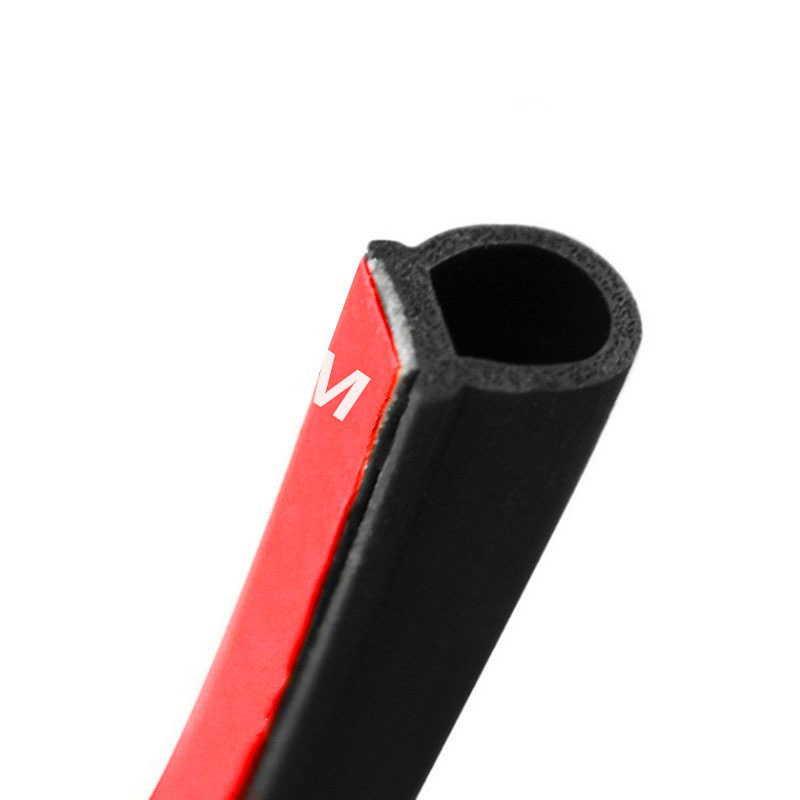
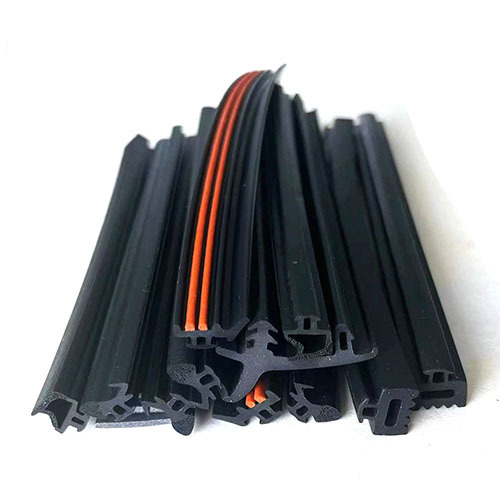
Fire resistant sealing strips are specialized products designed to seal gaps and cracks in doors, windows, and walls to prevent the passage of smoke and fire. These strips are made from materials that can withstand high temperatures and are often tested to meet stringent fire safety standards. When installed properly, they create a barrier that enhances the fire resistance of a structure, ensuring that safety protocols are adhered to effectively.
2.1 Key Features of Fire Resistant Sealing Strips
The key features of fire resistant sealing strips include:
- **High-Temperature Resistance**: Capable of withstanding temperatures up to several hundred degrees Celsius.
- **Durability**: Constructed from robust materials that resist wear and damage.
- **Adhesive Backing**: Many strips come with an adhesive backing for easy installation.
- **Flexibility**: Designed to conform to various surfaces and gaps.
3. The Importance of Fire Resistant Sealing Strips in Fire Safety
Implementing fire resistant sealing strips is essential for several reasons:
- **Preventing Fire Spread**: These strips help contain fires by sealing openings that could otherwise allow flames and smoke to spread rapidly.
- **Enhancing Smoke Control**: Fire resistant sealing strips are effective in minimizing smoke passage, which is a leading cause of fatalities during a fire.
- **Compliance with Safety Regulations**: Many building codes and fire safety regulations require the use of fire resistant sealing strips as part of a building's fire protection systems.
4. Applications of Fire Resistant Sealing Strips in Various Industries
Fire resistant sealing strips find applications in a variety of sectors, including:
4.1 Construction Industry
In the construction industry, these strips are commonly used in fire-rated doors and partition walls to enhance the fire resistance of buildings.
4.2 Automotive Sector
Automobiles utilize fire resistant sealing strips in engine compartments to prevent the spread of flames in case of an engine failure.
4.3 Aerospace Industry
In aerospace, sealing strips are used in aircraft to protect critical components from fire hazards during flight.
4.4 Electronics and Data Centers
Data centers use fire resistant sealing strips to protect sensitive equipment from fire and smoke damage.
5. Materials Used in Fire Resistant Sealing Strips
The effectiveness of fire resistant sealing strips largely depends on the materials used in their manufacturing. Common materials include:
5.1 Silicone
Silicone sealing strips offer excellent resistance to fire and extreme temperatures, making them ideal for various applications.
5.2 Intumescent Materials
Intumescent sealing strips expand when exposed to heat, forming a protective barrier against flames.
5.3 Neoprene
Neoprene is known for its durability and flexibility, making it a popular choice for fire resistant sealing strips.
6. Installation Process of Fire Resistant Sealing Strips
Installing fire resistant sealing strips is a straightforward process that involves several key steps:
6.1 Surface Preparation
Ensure that the surface where the strip will be applied is clean, dry, and free from any debris.
6.2 Measurement and Cutting
Measure the length of the gap to be sealed and cut the sealing strip to the appropriate size.
6.3 Application
Peel off the adhesive backing (if applicable) and firmly press the sealing strip into place.
6.4 Testing
After installation, conduct a test to ensure that the sealing strip effectively blocks gaps and adheres well.
7. Regulatory Standards and Compliance
Compliance with regulatory standards is critical when installing fire resistant sealing strips. Various organizations set guidelines to ensure that sealing products meet safety requirements, including:
7.1 International Building Code (IBC)
The IBC outlines standards for fire safety, including the use of sealing strips.
7.2 National Fire Protection Association (NFPA)
The NFPA provides guidelines for fire prevention, including standards for sealing materials.
8. Maintenance Tips for Fire Resistant Sealing Strips
To ensure the long-term effectiveness of fire resistant sealing strips, regular maintenance is essential. Here are some tips:
8.1 Inspect Regularly
Check sealing strips for any signs of wear, damage, or degradation.
8.2 Clean the Surface
Keep the area around the sealing strips clean to prevent debris accumulation that could affect their performance.
8.3 Replace When Necessary
If any strips show signs of significant wear or damage, replace them promptly to maintain safety standards.
9. Frequently Asked Questions
9.1 What are fire resistant sealing strips made of?
Fire resistant sealing strips can be made from various materials, including silicone, intumescent materials, and neoprene.
9.2 How do fire resistant sealing strips work?
These strips work by sealing gaps and preventing the spread of fire and smoke during an incident.
9.3 Where can I use fire resistant sealing strips?
They can be used in doors, windows, walls, and various industrial applications to enhance fire safety.
9.4 Are fire resistant sealing strips easy to install?
Yes, they are generally easy to install and can be applied directly to clean surfaces.
9.5 How often should I replace fire resistant sealing strips?
Inspect them regularly for wear and replace them as necessary, especially if they show signs of damage.
10. Conclusion
Fire resistant sealing strips are a vital component of any comprehensive fire safety plan. Their ability to prevent the spread of fire and smoke makes them indispensable across various industries. Understanding their features, applications, and installation process is crucial for ensuring compliance with safety regulations and protecting lives and property. By investing in quality fire resistant sealing strips and maintaining them properly, we can significantly enhance the safety of our environments. Implementing these measures not only adheres to regulatory standards but also contributes to a more secure future for all.
Keywords:
More information


Hebei Shengyi Plastic Technology Co., Ltd.
The company specializes in producing various materials such as composite extrusion, monomer extrusion, rubber plastic product docking molding, injection molded parts, molded parts, EPDM rubber sealing strips, foam rubber strips, PVC sealing strips, high-temperature resistant silicone strips, and various door and window sealing strips.